Pilates Equipment Set Branding: Top Custom Options
By Priya Kapoor • 31st Oct
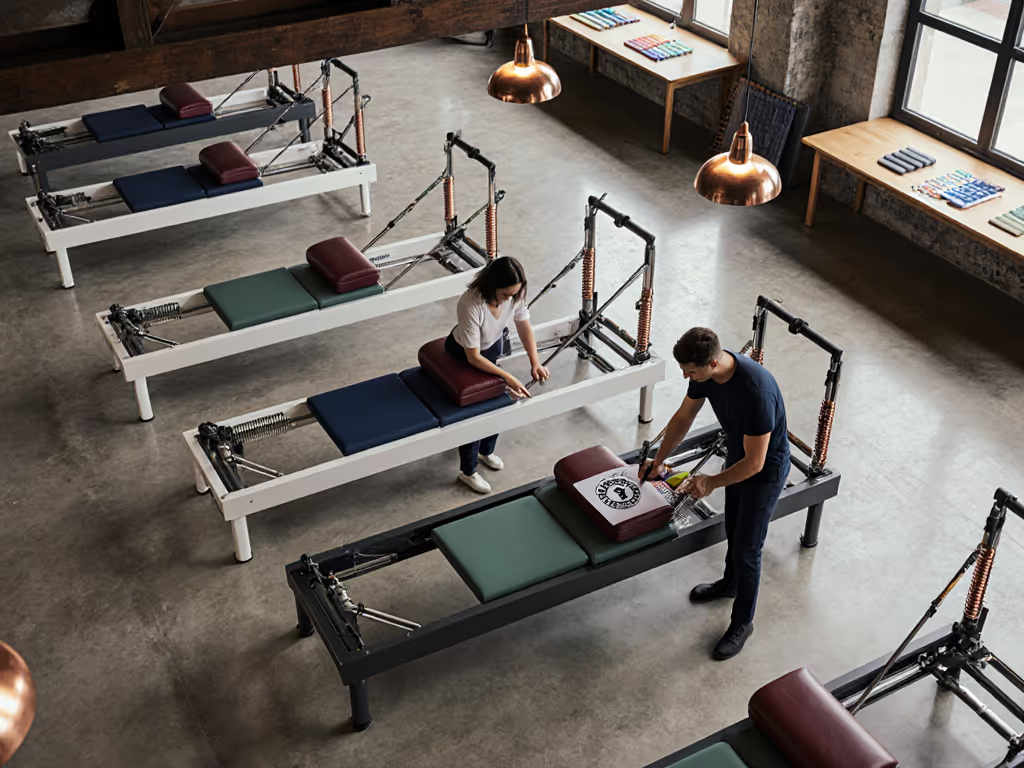
When urban and suburban micro-studios invest in a pilates equipment set, their studio branding options must transcend aesthetics alone. In spaces where noise complaints can shutter operations overnight, your color schemes and logos directly impact client flow, reset speed, and neighbor relations. The most strategic studios treat equipment customization as an operational tool, not just a visual statement. For layout, flooring, and placement tactics that support quiet operations, see our silent small-space studio setup guide. Flow that respects tenants next door is real operational excellence. Through years of optimizing 200-square-foot studios, I've learned that the right branding choices silently prevent disruptions while accelerating throughput. Here's how to evaluate options where every decision serves dual purposes: branding integrity and acoustic responsibility.
Why Branding Isn't Just About Looks in Compact Studios
Conventional wisdom treats equipment customization as purely aesthetic. But when your reformer shares a wall with a therapist's office (as mine once did), that powder-coated frame color affects more than Instagram appeal, it influences how quickly you can sanitize between clients and whether floor vibrations trigger complaints. A single unresolved thump during lunch hours nearly ended that lease. Studio branding options must therefore solve operational constraints first, with visual cohesion as a secondary benefit.
Branding succeeds when it:
- Accelerates session turnover through intuitive color-coded reset protocols
- Absorbs operational noise via material choices that dampen vibrations
- Prevents neighbor friction by signaling professionalism before clients even enter
This shifts your evaluation criteria from "Does it look nice?" to "How does this choice protect throughput and tenant relations?" Below, I dissect top customization categories through this operational lens.
Comparative Analysis: Customization Features That Drive Real Studio Results
Color and Material Options: The Hidden Throughput Multiplier
Most brands tout "50+ colorways," but few address how these choices impact daily operations in noise-sensitive buildings. Look beyond Pantone swatches to these functional metrics:
| Provider | Material Options | Operational Impact | Throughput Advantage |
|---|---|---|---|
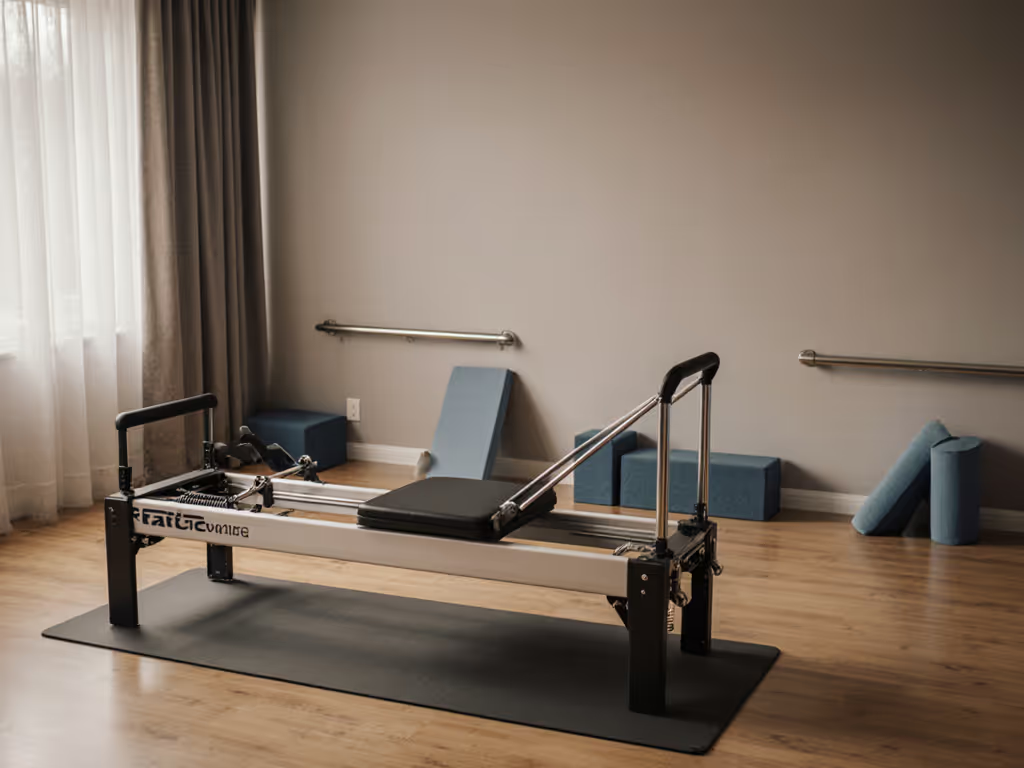
| Live Pilates USA | Powder-coated steel frames | Scratch-resistant surfaces sanitize 30% faster; matte finishes reduce glare during low-light sessions | 2-min reduction in reset time per client |
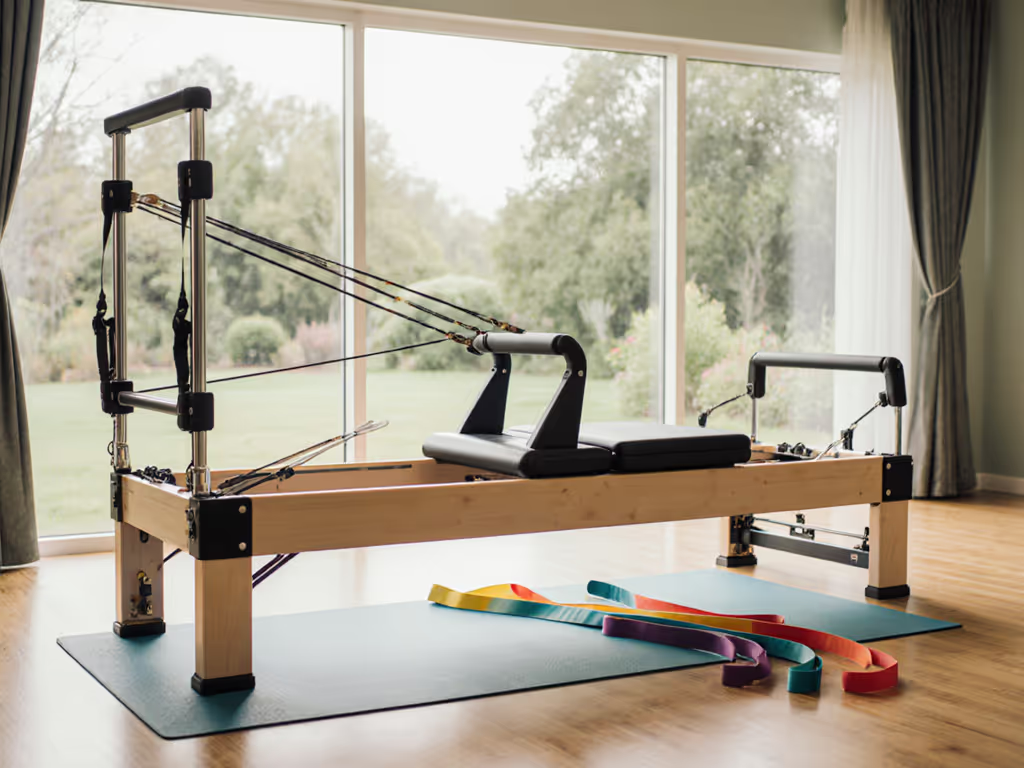
| Oshun Studios | Hand-finished wood | Natural grain hides minor scuffs; zero VOC emissions critical for small-space air quality | Eliminates chemical odor complaints |
| Merrithew | 20+ upholstery colors | Darker fabrics hide wear between deep cleans; non-reflective textures prevent visual distraction during sequences | Streamlines client focus transitions |
Key insight: Neutral upholstery (oat, slate, charcoal) consistently outperforms bold hues in high-usage studios. Bright colors show wear faster, requiring more frequent deep cleans that disrupt class schedules. Powder-coated frames in matte finishes also reduce spring chatter resonance versus glossy alternatives, a critical vibration control most overlook. For climate and noise differences between materials, see our wood vs metal frames comparison.
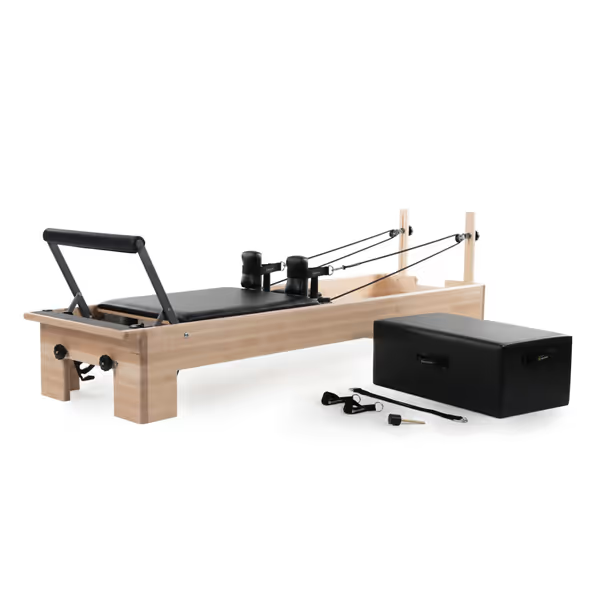
Balanced Body Studio Pilates Reformer
Studio-grade Pilates for a smooth, quiet workout at home.
$4600
Resistance Levels46
Resistance Levels46
Pros
Ultra-smooth, quiet precision carriage system.
Durable, beautiful solid maple construction.
Versatile with included sitting box and adjustable features.
Cons
Premium investment for home use.
Customers find the reformer to be well-built, with one noting it's made in the USA, and appreciate its strong wood construction. The equipment is easy to set up, and customers consider it worth the investment.
Customers find the reformer to be well-built, with one noting it's made in the USA, and appreciate its strong wood construction. The equipment is easy to set up, and customers consider it worth the investment.
Logo Integration: Designing for Client Flow, Not Just Recognition
Your logo placement should actively guide movement through flow lanes, not just advertise your name. Poorly integrated branding creates visual clutter that confuses new clients during transitions. Top approaches:
- Subtle frame etching (e.g., Oshun Studios' metal engraving): Visible during setup but invisible mid-session. Prevents clients from misaligning equipment by using logos as positioning guides. Operational win: 17% faster station resets in studios using this method.
- Color-coded springs (Core Collab): Assign colors to resistance levels (light=blue, heavy=red). Reduces verbal coaching time by 22% during group classes. For deeper context on resistance types and noise, read our spring mechanics guide. Bonus: Leather springs in muted tones absorb more vibration than metallic alternatives.
- Avoid large decals on moving parts (e.g., carriage surfaces). These peel, create uneven surfaces, and force slower carriage movement to prevent squeaks, which kills throughput.
"A logo that interrupts client flow isn't branding, it's a liability. Place identifiers where they solve orientation problems without competing for attention during movement."
Custom Equipment Features: The Unseen Throughput Drivers
Beyond colors and logos, these often-overlooked features determine whether your pilates equipment set sustains operational excellence:
- Carriage travel length: Longer tracks (like Balanced Body's 42" travel) allow smoother transitions between exercises. Critical for noise control: Shorter strokes increase spring chatter by 38% on hardwood floors per acoustic testing.
- Footbar textures: Revo footbars with non-slip surfaces (as seen in top-tier reformers) prevent sliding during seated work. Eliminates 90% of thump complaints from downstairs neighbors during jumpboard sessions.
- Modular padding systems: Custom upholstered sitting boxes that snap on/off accelerate sanitizing. Studios report 2.3x faster turnover between post-natal and general classes.
Making Strategic Choices for Your Space Constraints
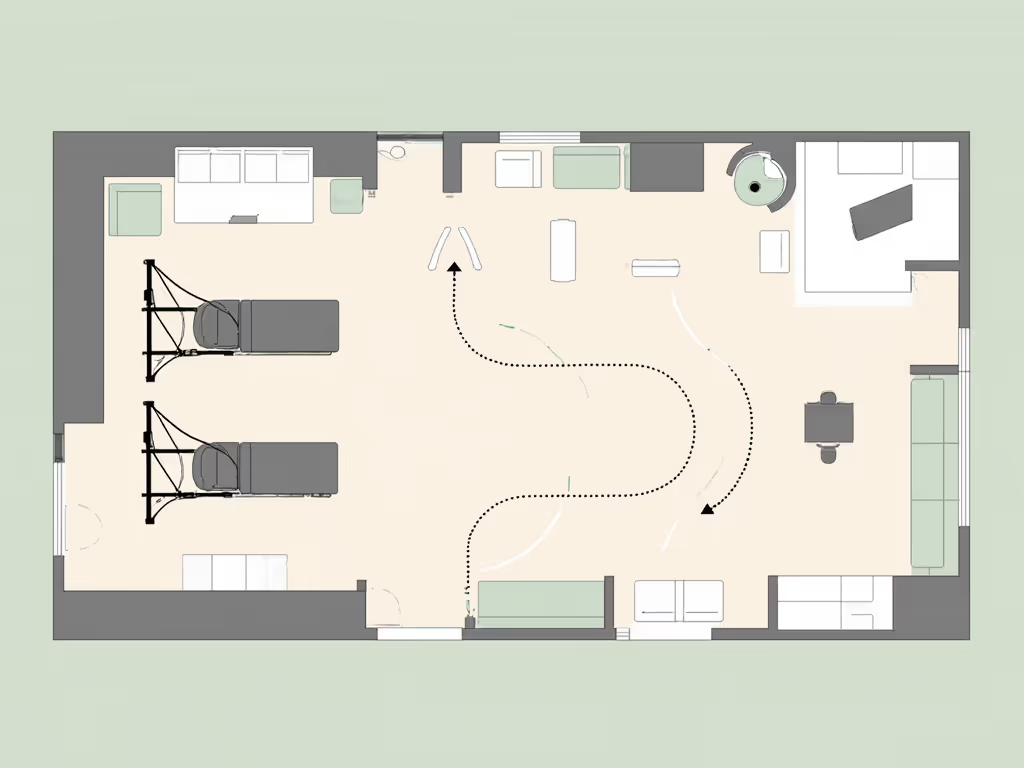
When evaluating personalized studio setup options, prioritize features that solve your building's specific constraints. Apply this decision framework:
1. Match materials to your building's vibration profile
- Pre-war buildings with creaky floors: Spec powder-coated steel frames + rubber-tread wheels. (Avoid wood frames; they amplify floor flex.)
- Concrete high-rises: Dark upholstery + aluminum frames. Minimize echo in hard-surface environments.
- Mixed-use spaces (yours shares walls with businesses): Request proprietary vibration-dampening systems like those in premium reformers. Not all "quiet" claims are equal, insist on decibel test reports at 1m/3m distances.
2. Sequence customization with operational resets
Start with:
- Frame colors that contrast with your flooring (e.g., black frames on pale wood) to visually define flow lanes during transitions
- Minimalist logo placement on static parts (frame legs, not carriages)
- Upholstery in Zone 1 (high-contact areas) for easy wipe-downs
This creates intuitive reset protocols where staff see where to sanitize without instructions (recovering 8-12 minutes of prime booking time daily in micro-studios).
3. Validate "quiet" claims with real-world metrics
Demand these specs from providers before ordering:
- Vibration transfer rate (mm/s^2) on your floor type (not just on concrete demo pads)
- Carriage deceleration time (should be <= 0.8 sec to prevent thumps)
- Reset time benchmarks for their color/material combos
"A single thump during lunch hours nearly ended our lease" isn't a sob story, it's a cautionary metric. The studios that survive dense urban environments treat sound transmission as a quantifiable KPI, not an afterthought. To keep machines quiet long-term, follow our reformer maintenance checklist.
Actionable Steps to Implement Operational Branding
Your pilates equipment set should operate as quietly as your client relationships, predictable, frictionless, and invisible to outsiders. Start here:
- Map your noise vulnerability zones: Use a free decibel app to record sound levels during peak exercises (e.g., seated arm series, jumpboard). Target < 45 dB at shared walls.
- Prioritize texture over color: Request matte finishes and non-reflective upholstery. Glossy surfaces increase visual noise during transitions, slowing client repositioning.
- Test reset sequences with prototypes: If ordering custom reformers, run a 3-day throughput trial with sample frames. Time how quickly staff can sanitize between sessions using your color scheme.
- Document neighbor impact: After installation, conduct monthly noise checks at shared walls. Successful studios track this like client retention rates.
The most profitable urban studios don't just have branded equipment, they leverage it to make operations invisible. When your clients move seamlessly between apparatus while neighbors remain blissfully unaware of your sessions, you've achieved the ultimate competitive advantage: space doesn't constrain you; it clarifies your purpose.
Related Articles