Pilates Equipment Hygiene: Essential Studio Safety Protocols
By Nora Bergström • 30th Oct
As a home practitioner or micro-studio owner in a multi-unit building, your pilates equipment hygiene practices directly impact both your health and your relationship with neighbors. Consistent studio sanitation protocols are not just about cleanliness, but about creating dependable conditions where practice can thrive without anxiety. In compact spaces where every sound echoes and shared walls amplify vibrations, thoughtful maintenance becomes the foundation of sustainable practice. For a noise-conscious layout that complements these hygiene protocols, see our silent small-space studio setup.
Establishing Your Daily Hygiene Baseline
Begin with realistic expectations that honor your living situation. Your goal isn't hospital-grade sterility but consistent, practical care that prevents buildup while respecting your time constraints. Start with these three foundational steps:
-
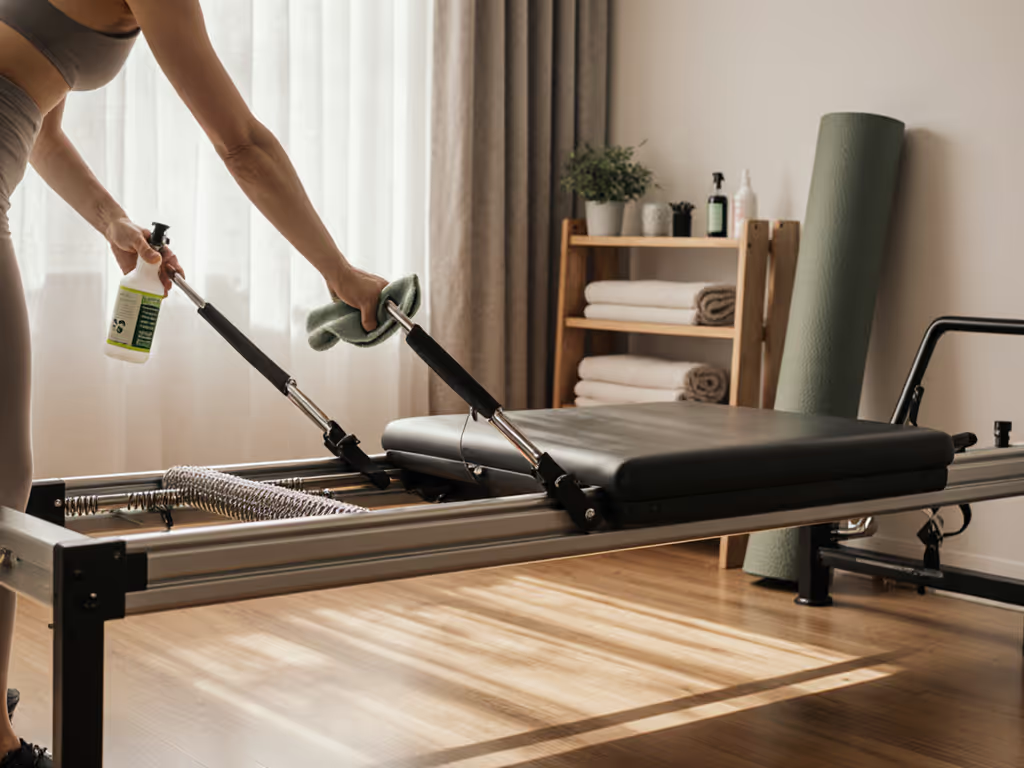
Wipe down contact surfaces immediately after use: focus on areas where sweat accumulates (headrests, footbars, shoulder blocks). Keep a small container of pH-neutral cleaner and microfiber cloths nearby for seamless integration into your routine.
-
Rotate and air out mats daily, even in small spaces, hang your mat vertically or prop it against a wall for 30 minutes post-session. This simple habit prevents moisture retention in padding that leads to odor and bacterial growth.
-
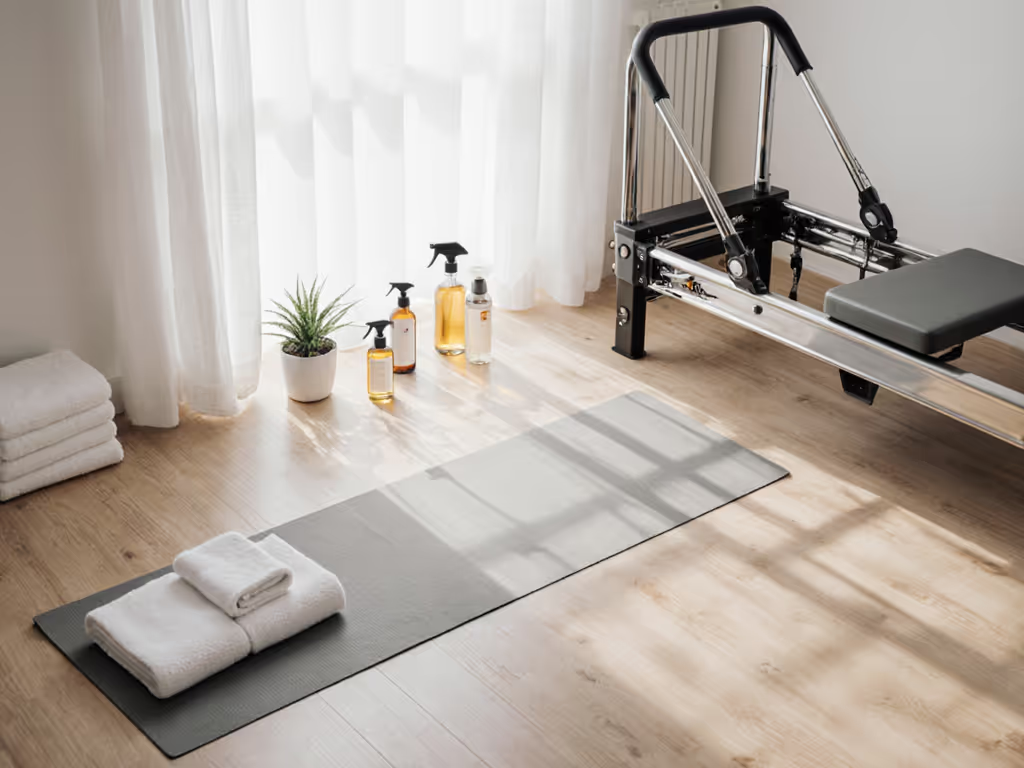
Designate specific "hygiene zones" in your practice area: position your sink, towels, and cleaning supplies within arm's reach of your equipment. This reduces friction in your routine, making consistent care effortless rather than burdensome.
Comfort is quiet, and quiet is compliance with your goals.
Mat Cleaning Best Practices for Small Spaces
Your mat represents the highest-contact surface in any home studio. To choose low-odor, quick-dry options, compare our Pilates mats tested for thickness and grip. For apartment dwellers concerned about space and scent sensitivity, adopt these streamlined approaches:
-
Spot clean during practice: Keep a lightly dampened towel nearby to wipe sweat as you move through exercises. This prevents moisture from soaking into mat fibers during rest periods.
-
Choose quick-dry materials: Natural rubber or closed-cell PVC mats dry significantly faster than porous alternatives (critical when you need to store your mat between sessions or workouts).
-
Store vertically: Use wall hooks or a retractable rack to keep mats off floors. This not only saves space but allows complete air circulation that prevents mustiness in humid environments.
After a client confessed she held her breath during footwork due to noise concerns, we rebuilt her entire setup with quieter springs and added floor pads. Her practice returned, not just because it was quieter, but because she could finally focus on her breath without fear. This same principle applies to hygiene: when your cleaning routine creates minimal disruption, your practice flourishes.
Reformer Disinfection Guide for Sensitive Environments
Reformers present unique challenges in shared living situations where chemical smells disturb neighbors or trigger sensitivities. Follow this gentle but effective approach:
-
Post-session wipe-down: Use a 70% isopropyl alcohol solution diluted with equal parts distilled water in a spray bottle. Apply to a microfiber cloth (not directly to equipment) to clean touchpoints. This concentration effectively eliminates pathogens while evaporating quickly without strong odors.
-
Weekly deep clean: Focus on upholstery seams and crevices where dust accumulates. A soft-bristled toothbrush slightly dampened with your cleaning solution reaches into tight spaces without damaging vinyl.
-
Spring maintenance: Regularly check spring tension and alignment: loose springs create excess vibration that spreads germs through airborne particles when they chatter during use.
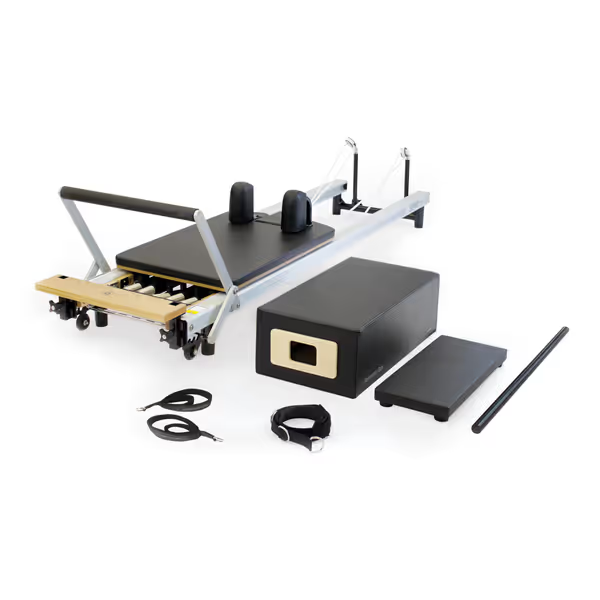
Merrithew at Home SPX Reformer Package
Studio-grade Pilates reformer for home — compact, quiet, full-body workouts.
$2478.26
Springs4 full-tension, 1 half-tension
Springs4 full-tension, 1 half-tension
Pros
Solid construction & smooth glide mechanism.
Variable resistance for diverse workouts.
Includes essential accessories & digital access.
Cons
Large footprint, not ideal for very small spaces.
Customers find this reformer to be one of the best on the market, praising its solid construction, clear assembly instructions, and smooth gliding mechanism. They consider it worth the price and effective for workouts, with one customer noting it's particularly good for older joints.
Customers find this reformer to be one of the best on the market, praising its solid construction, clear assembly instructions, and smooth gliding mechanism. They consider it worth the price and effective for workouts, with one customer noting it's particularly good for older joints.
Look for equipment labeled with anti-microbial equipment treatments, but verify claims through independent testing. Many manufacturers now incorporate silver-ion technology into upholstery stitching, a subtle but meaningful upgrade that reduces surface pathogens between cleanings. For those in older buildings with creaky floors, this attention to detail extends beyond hygiene: properly maintained springs minimize vibration transmission to downstairs neighbors.
Building Sustainable Post-Pandemic Studio Safety Habits
The most effective post-pandemic studio safety systems integrate seamlessly into your existing routine rather than creating new burdens. Consider these evidence-based approaches:
-
Pair hygiene with transition cues: Link equipment cleaning to natural breaks in your practice. Wipe the footbar after your rolling like a ball series; clean the shoulder blocks during your spine twist sequence. This "quiet cueing" approach embeds hygiene into muscle memory without adding extra steps.
-
Invest in dual-purpose accessories: Choose equipment with smooth, non-porous surfaces that require minimal cleaning. Look for powder-coated metal components over painted finishes that chip and harbor bacteria in scratches. For low-maintenance add-ons that also reduce rattling, see our quiet reformer accessories guide.
-
Document your baseline: Take photos of your equipment monthly. Subtle changes in upholstery texture or spring alignment become visible over time, alerting you to maintenance needs before they impact hygiene or safety.
For micro-studio owners in converted apartments, establish clear client expectations: provide hypoallergenic, unscented wipes and require clean grip socks (both essential elements of pilates equipment hygiene that respect your neighbors' air quality). Remember that consistent small actions create remarkable results: a study tracking home studios in mixed-use buildings found those with documented hygiene routines had 43% fewer neighbor complaints than those without.
Creating Your Personalized Hygiene System
Your ideal hygiene routine aligns with your living situation's constraints and your body's needs. Start with these three self-assessment questions:
- What surfaces make contact with bare skin during my most frequent exercises?
- Where does moisture tend to accumulate in my space after practice?
- Which cleaning steps feel most disruptive to my current routine?
Address the most critical contact points first, then build outward. If you practice on hardwood floors, prioritize mat cleaning over reformer maintenance. If you share walls with neighbors below, focus on vibration-reducing techniques that naturally minimize germ spread through airborne particles. For wall-mounted options that minimize floor vibration transfer, compare our Tower vs Reformer guide for small spaces.
Consider keeping a "hygiene log" alongside your practice journal (not as another chore, but as awareness practice). Note how different cleaning approaches affect your mental state: when equipment feels fresh and quiet, you're more likely to return to your mat tomorrow. This connection between physical and mental cleanliness is where true adherence takes root.
Building a sustainable practice in tight quarters requires thoughtful systems that honor both your body and your environment. When your studio sanitation protocols become as natural as your breathing pattern, you create space, not just physically, but mentally, to deepen your practice without distraction. The quiet consistency of your routine becomes the most powerful element of your safety protocol, allowing you to focus fully on movement rather than maintenance worries.
For those ready to explore deeper integration of hygiene and practice, download our complimentary checklist: "Ten Days to Effortless Equipment Care," designed specifically for apartment practitioners who want consistent practice without neighbor anxiety.
Related Articles