European vs American Pilates Equipment: Philosophy Compared
By Nora Bergström • 2nd Dec
When considering European vs American Pilates equipment, the choice isn't just about specs, it is about philosophy. International Pilates brands have evolved distinct approaches that reflect their cultural contexts, particularly regarding noise sensitivity, space constraints, and how equipment supports consistent practice. For those living in apartments, condos, or multi-unit buildings, these differences directly impact whether your Pilates setup becomes a sustainable habit or another source of friction. This guide compares European and American approaches to help you find equipment that offers genuine permission to focus (without disturbing neighbors or overwhelming your space).
Step 1: Understanding the Core Philosophical Differences
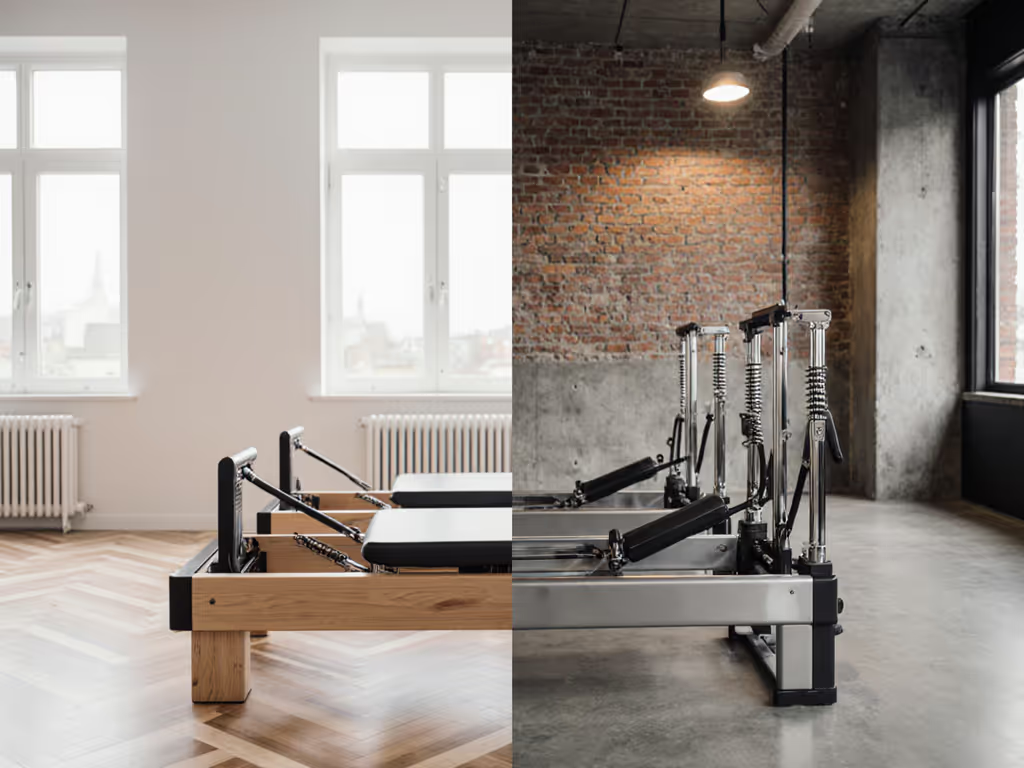
European Pilates equipment typically emphasizes tradition, craftsmanship, and seamless integration with living spaces. Brands like Elina Pilates (Spain) and some European manufacturers prioritize wood construction, natural aesthetics, and quieter operation that respects shared living environments. The philosophy centers on Pilates as a mindful practice that should harmonize with your home (not dominate it).
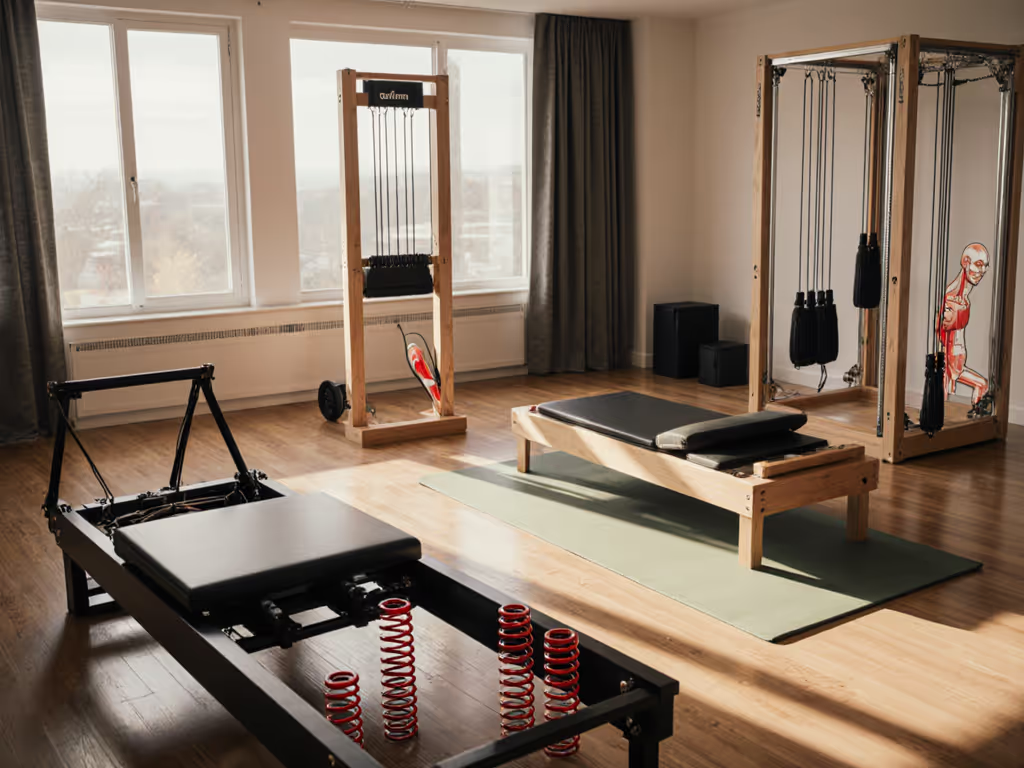
American Pilates brands, such as Merrithew (STOTT), Peak Pilates, and Gratz, often focus on innovation, modularity, and adaptability. They have pioneered features like adjustable footbars, convertible towers, and specialized spring systems that accommodate diverse body types and therapeutic needs. American designs frequently prioritize performance metrics and expandability, making them popular in commercial studios.
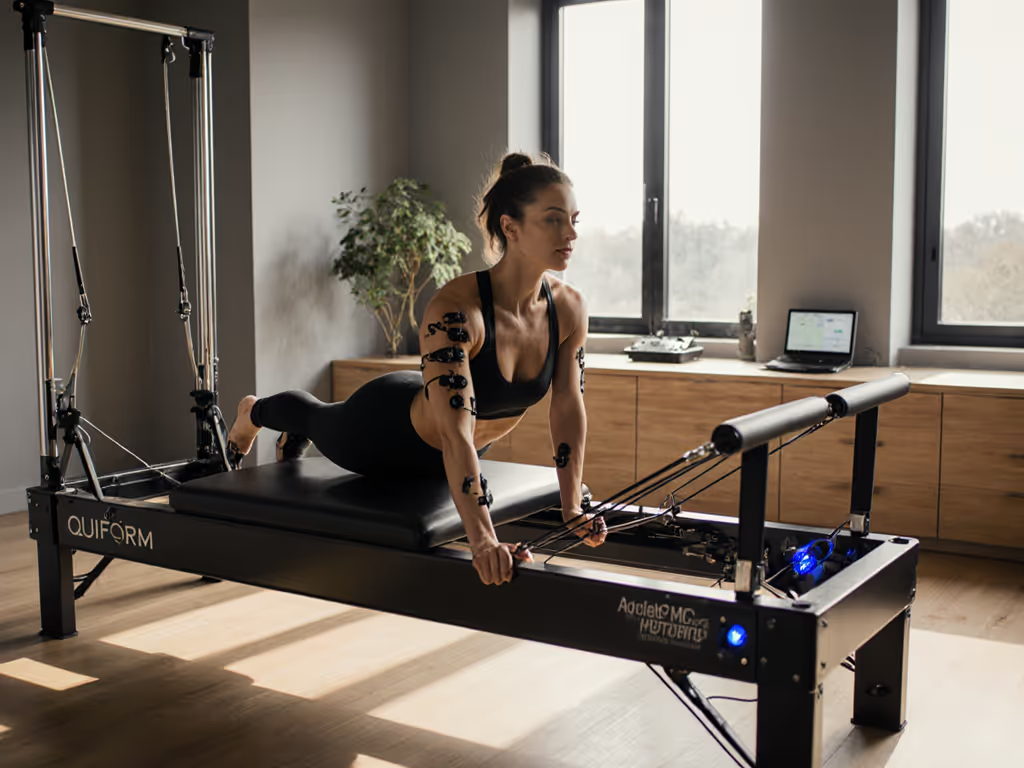
As an instructor who's helped dozens of clients navigate space and noise challenges in urban living, I have observed that comfort reduces friction; quiet sustains adherence and attention. This is not just preference (it is physiological). When equipment creates sensory load through noise or vibration, clients unconsciously tighten their diaphragms, limiting breath and movement quality.
Step 2: Evaluating Materials and Construction
Wood vs. Metal: More Than Aesthetics
European Approach:
European brands like Elina Pilates often feature solid wood frames (typically beech or hornbeam) with stainless steel components. This combination creates natural dampening properties that reduce vibration transmission to floors. The wood absorbs sound waves better than metal, resulting in quieter operation (particularly important for those on upper floors with neighboring units below).
Evidence snippet: A comparative study of reformer noise levels found wooden frames typically produce 3-5 decibels less operational noise than all-metal frames under similar conditions. This difference is significant in multi-unit buildings where noise complaints often begin around 45 decibels during quiet hours.
American Approach:
American brands frequently utilize aluminum rails with steel components (e.g., Balanced Body, Merrithew). This creates lighter, more modular equipment that is easier to reconfigure for different exercises. However, aluminum transmits vibration more readily, potentially disturbing neighbors in buildings with older construction or minimal sound insulation.
Comfort is quiet, and quiet is compliance with your goals. When equipment operates smoothly without distracting clatter, it creates space for deeper practice.
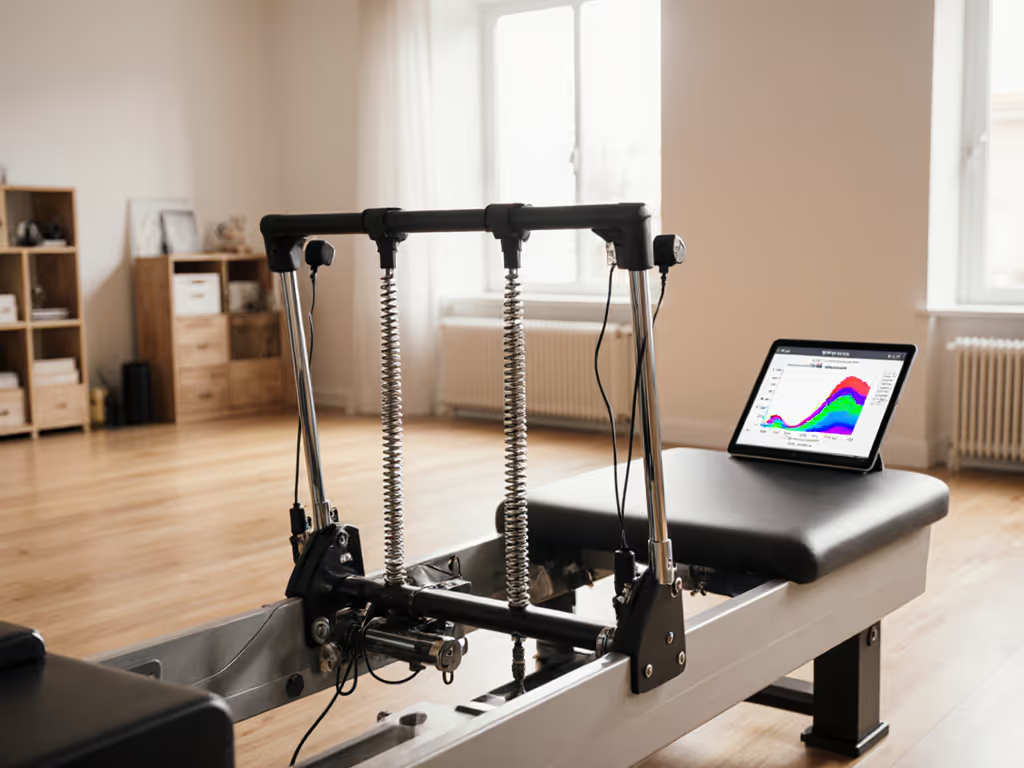
For apartment dwellers, the European preference for wood isn't just about looks (it is a practical solution to noise concerns). Look for brands that incorporate spring sleeves, neoprene padding at contact points, and wooden standing platforms, which cumulatively reduce sound transmission. To understand how different resistance systems affect sound and feel, see our quiet spring mechanics explainer.
Step 3: Analyzing Noise and Vibration Characteristics
Real-World Implications for Shared Living
This is where the European vs American distinction matters most for urban practitioners. When evaluating international Pilates brands, request specific vibration isolation data (not just marketing claims about "quiet operation").
European Equipment Characteristics:
- Often feature integrated vibration dampeners
- Use piano wire springs (quieter than standard coils)
- Prioritize smooth carriage movement through precision engineering
- Typically include floor pads or recommend specific isolation solutions
American Equipment Characteristics:
- May emphasize performance metrics over noise reduction
- Often require aftermarket solutions for noise control
- Some models incorporate patented features like Merrithew's Neoprene Spring Sleeves
- Commercial-grade models may be louder but offer more resistance options
I once worked with a client who'd stopped her practice after her downstairs neighbor complained. She hadn't realized she was holding her breath during footwork, a tension response to the equipment's noise. We rebuilt her setup with vibration-absorbing mats and quieter springs, which restored her practice. This experience taught me that quiet equipment isn't an accessory; it is fundamental to consistent practice in shared living spaces.
When comparing US Pilates brands, ask: For floor-specific vibration control, use our Pilates flooring setup guide to optimize hardwood, tile, or carpet.
- What's the decibel level during standard footwork?
- How does vibration transmit through different floor types?
- Are floor protection solutions included or recommended?
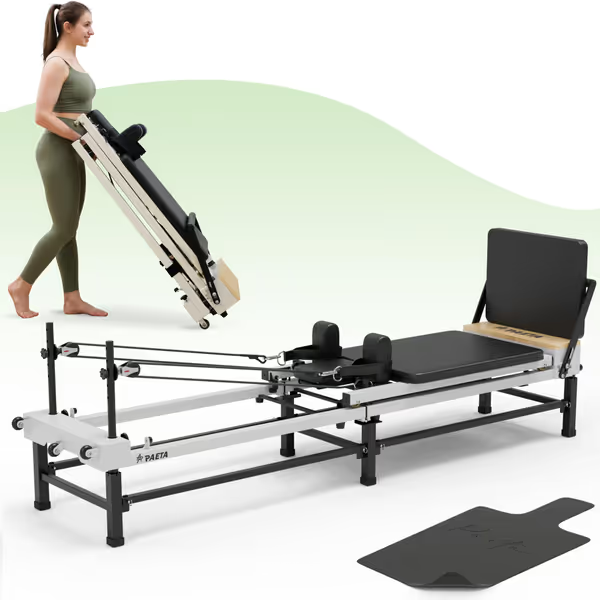
PAETA Foldable Pilates Reformer
Studio-quality Pilates for home: quiet, compact, and built for diverse users.
$399.99
Folded Footprint1.4 sq. ft.
Folded Footprint1.4 sq. ft.
Pros
Extended 91" length fits users up to 6'7" comfortably.
Whisper-quiet piano wire springs & smooth-glide wheels.
Folds to 1.4 sq ft for easy storage under bed/in corner.
Cons
Some users report spring noise during use.
Customers find this Pilates reformer to be a high-quality machine that's easy to assemble and use, with sturdy construction that remains stable during dynamic exercises. Customers consider it well worth the price and deliver effective workouts, with one customer noting it provides a studio-level experience. The machine folds easily for storage and glides smoothly. While some customers find it surprisingly quiet, others mention the springs are noisy.
Customers find this Pilates reformer to be a high-quality machine that's easy to assemble and use, with sturdy construction that remains stable during dynamic exercises. Customers consider it well worth the price and deliver effective workouts, with one customer noting it provides a studio-level experience. The machine folds easily for storage and glides smoothly. While some customers find it surprisingly quiet, others mention the springs are noisy.
Step 4: Space Planning and Footprint Considerations
European Brands: Integrated Living Solutions
European manufacturers often design with smaller living spaces in mind. Features like:
- Nesting components that tuck away neatly
- Wall-mountable options requiring minimal clearance
- Foldable designs that store vertically
- Furniture-grade finishes that blend with home decor
These solutions reflect European urban living realities where square footage is at a premium (particularly in cities like London, Paris, and Barcelona where multi-generational homes and compact apartments are common). For curated picks tailored to tight spaces, explore the best apartment Pilates equipment.
American Brands: Modularity and Expansion
American brands typically prioritize studio functionality first, with home adaptations second. This means:
- Larger standard footprints (often 90+ inches long)
- Tower attachments that require significant clearance
- Commercial-grade stability that sacrifices compactness
- Optional foldable versions (often at premium prices)
The modern solution blends both approaches. Consider equipment like the PAETA Reformer, which combines European-inspired quiet operation with American-style adjustability. Its 91-inch foldable design accommodates taller users while collapsing to just 1.4 square feet of storage space, critical for urban dwellers with limited square footage.
Step 5: Evaluating Adjustability for Varied Living Situations
One-Size-Fits-Most vs. Highly Customizable
European brands often follow a "one beautiful solution" approach, refining a single design to perfection rather than offering endless configuration options. This creates elegance but may limit accommodation for different body types or specific needs.
American brands typically emphasize micro-adjustments:
- 5-6 position footbars
- Multiple spring tension options
- Height-adjustable carriage positions
- Modular tower integration
For beginners or those in transitional life stages (new parents, recovering from injury), this American-style adjustability provides essential progression paths. You can start with simpler movements and gradually increase challenge as your practice develops (without needing new equipment).
Look for features that support your specific scenario:
- For pre-war buildings with uneven floors: Micro-adjustable foot levelers
- For mixed-use buildings: Vibration-dampening floor pads
- For multi-story homes: Wall-mounted storage solutions
- For shared living: Quiet springs and smooth carriage movement
Step 6: Making Your Choice Based on Real Living Conditions
Apartment-Specific Decision Framework
Rather than choosing based solely on brand origin, evaluate equipment through your specific living conditions:
- Measure your space with clearance requirements - Do not just measure the equipment, but the space needed for safe movement around it. Most manufacturers provide "operational footprint" specs (not just equipment dimensions).
- Test noise on your floor type - Request sound samples recorded on similar flooring (wood, concrete, laminate). If possible, test equipment in a comparable building.
- Prioritize vibration control - Look for metal-to-wood contact points, rubberized feet, and spring sleeves. These features often matter more than the primary frame material.
- Consider your reset time - If you need to store equipment between sessions, how quickly can you set up and tear down? Some European models integrate storage solutions directly into the design.
- Evaluate long-term sensory load - Will the equipment's sound profile support consistent practice? That subtle spring chatter that seems acceptable initially can become a barrier to adherence over time.
When clients ask for the best Pilates machine for apartment living, I emphasize that "best" means the equipment that disappears into your routine, not the one with the most features. The best Pilates equipment for your situation creates conditions where practice feels effortless, not another logistical challenge to manage.
Conclusion: Finding Your Balanced Approach
The European vs American distinction in Pilates equipment ultimately reflects different priorities (tradition and integration versus innovation and expansion). For urban practitioners, the most successful setups often blend elements from both approaches:
- European attention to quiet operation and space integration
- American innovation in adjustability and progressive challenge
Focus on equipment that provides genuine permission to focus (without noise anxiety or space constraints). Your ideal setup should disappear into your living space while supporting your movement journey consistently.
As you explore global Pilates manufacturing options, remember that the quietest equipment isn't just about springs and frames, it is about creating sustainable practice conditions. When your setup respects your living environment as much as your movement practice, you have found the right balance.
Next Steps for Thoughtful Practitioners
To deepen your understanding of equipment that supports consistent practice in constrained spaces:
- Research decibel levels of specific models
- Consult building managers about acceptable noise thresholds
- Request vibration isolation test results from manufacturers
- Connect with other urban practitioners through online communities
Your perfect Pilates setup exists, not as a compromise, but as a thoughtful integration of movement practice and mindful living. When equipment supports rather than competes with your environment, your practice deepens naturally, without friction or fear.
Related Articles