Outdoor Pilates Equipment: Weatherproof Maintenance Checklist
By Mateo Álvarez • 7th Mar
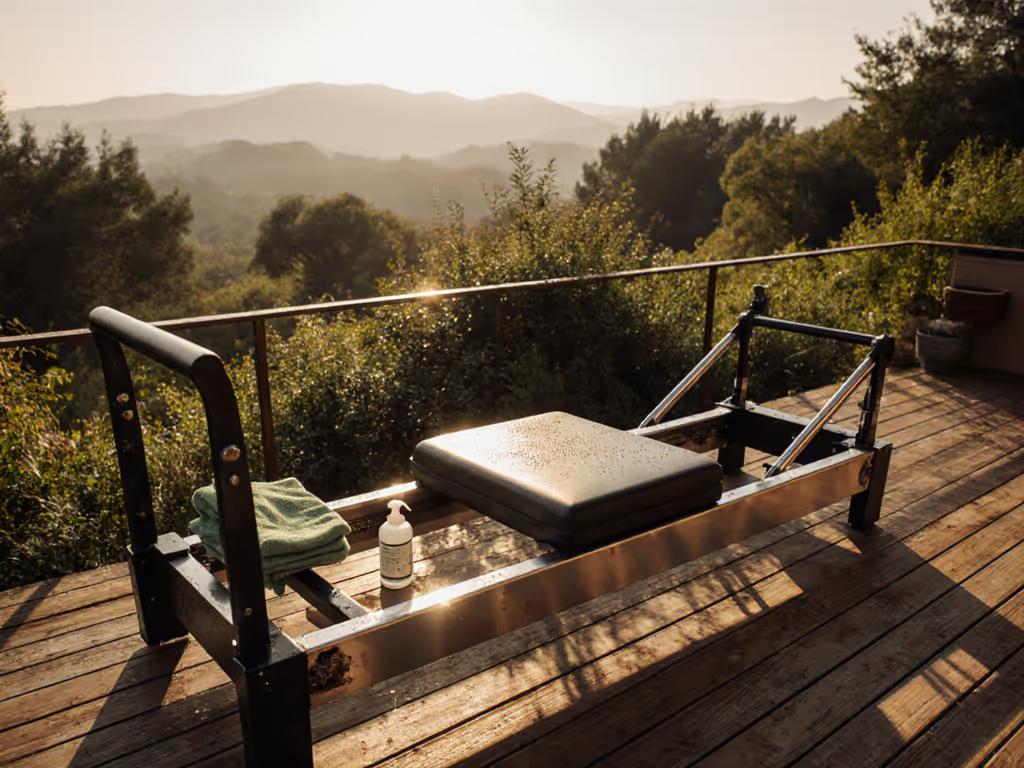
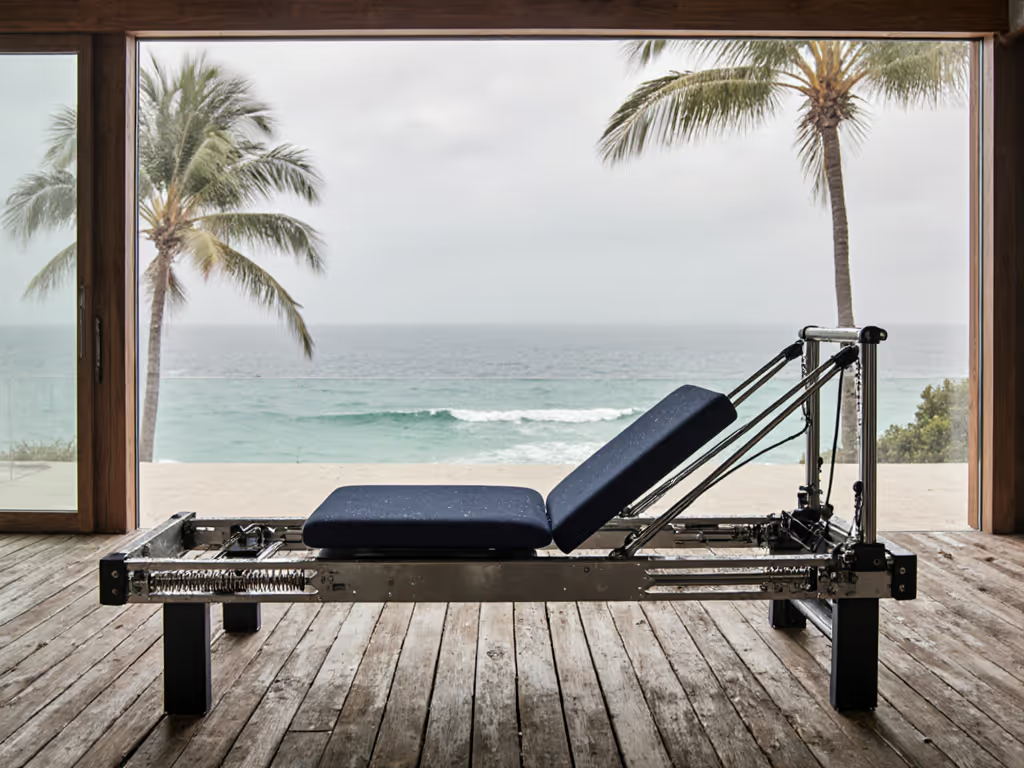
Outdoor pilates maintenance demands a different strategy than studio work. When your reformer, tower, or mat lives on a balcony, patio, or roof deck, weatherproofing becomes as critical as day-to-day cleaning. The principles are the same (keep it clean, lubricate, inspect, protect), but the threats change: UV rays fade and crack materials, humidity warps wood, salt air corrodes metal, and temperature swings stress springs and joints. Treating outdoor gear like choreography means mapping exposure patterns, testing reset steps under pressure, and building a seasonal rhythm that keeps your equipment functional and safe year-round.
I learned this the hard way when a micro-studio client moved her three reformers to a shared courtyard. After three months of inconsistent covers and no weathering plan, the springs had already begun to show rust spots and the wood frames had started lifting. That day I started thinking about outdoor layouts the same way I approach indoor circulation lanes: every surface matters, every move matters, and the difference between a practice that breathes and one that falls apart is prep and rhythm.
Daily Outdoor Maintenance: The Foundation
Outdoor equipment needs more frequent surface care than indoor gear because it faces constant exposure. After each use (or even before, if pollen or debris has settled), wipe down all contact surfaces with a soft, damp cloth. This removes sweat, dust, and environmental particles that can become grinding compounds under load.
Daily checklist:
- Wipe the carriage, footbar, handles, and pads with a mild solution (1 part dish soap to 10 parts water)
- Check the visible frame for debris, leaves, or pollen buildup
- Ensure covers are in place if you're leaving equipment unattended
- Test the carriage glide manually to feel for unusual drag or resistance
The goal is removing moisture and contaminants before they set into wood or corrode metal. A five-minute wipe-down now prevents weeks of remedial cleaning later. To choose material-safe solutions that won't degrade vinyl or wood, see our Pilates cleaning products.
Weekly Deep Clean: Focus on Exposure Points
Once weekly, zoom in on the areas where outdoor conditions accelerate wear. Rails, pulleys, tracks, and eye hooks accumulate dirt that outdoor wind and moisture work into crevices faster than in controlled studios.
Weekly inspection steps:
- Remove dust and debris from sliding rails and wheels using a dry cloth
- Inspect all wooden or aluminum frames for surface cracks, lifting, or discoloration
- Check ropes, straps, and cords for fraying or stiffness
- Examine spring attachment points and hooks for rust specks or salt residue
- Wipe down frame joints and bolts to prevent moisture entrapment
- Test the carriage for smooth, quiet movement; note any new sounds
Outdoor gear exposed to salt spray or high humidity should receive this deep inspection twice weekly if possible. Fresh water rinsing (distilled water, if available) after a deep clean removes residual salt or mineral deposits that accelerate corrosion.
Monthly: Lubrication and Structural Integrity Check
Lubrication intervals change outdoors. Indoor reformers typically need lubrication every 3-6 months, but outdoor equipment in humid, salty, or dusty climates may need monthly attention. Moisture ingress is faster, and moving parts oxidize more readily.
Monthly step-by-step process:
- Clean carriage tracks and rails thoroughly with a slightly damp cloth; dry completely before lubricating
- Apply silicone-based lubricant (not oil, it traps dust) to tracks and wheel assemblies; use sparingly and wipe away excess
- Inspect springs weekly for rust, stretching, or inconsistent tension; replace immediately if corroded or looser than baseline
- Check all bolts, nuts, and screws; tighten any loose fasteners with the appropriate tool
- Test pulley rotation; it should be silent and smooth. Apply a drop of lubricant to sticky joints
- Inspect padding and upholstery for cracks, tears, or hardening
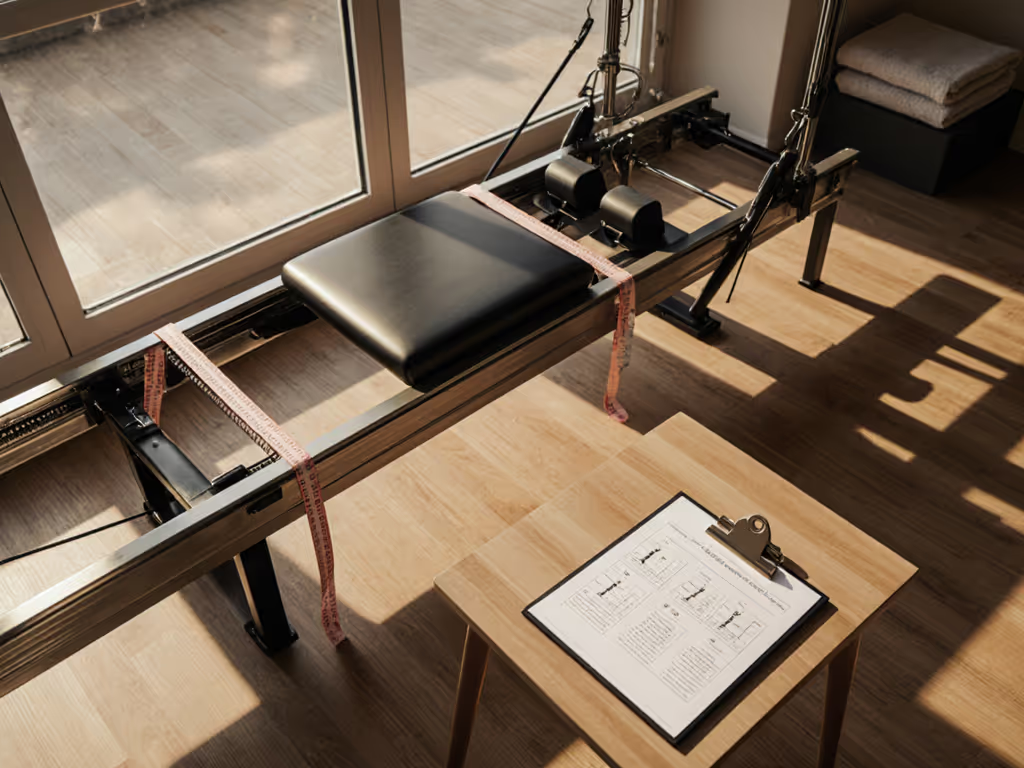
- Measure spring resistance: pull springs gently and compare to your baseline; document changes
Keep a simple log: date, humidity/temp conditions, lubrication type applied, and any wear notes. This record reveals patterns and helps you predict replacement cycles. For a deeper step-by-step on keeping the carriage quiet and smooth, follow our reformer maintenance guide.
Seasonal Strategies: Sun, Rain, and Temperature Swings
Outdoor environments cycle through seasonal stresses that compound maintenance burden. A weatherproofing strategy aligned to your climate prevents crises. If you're still selecting patio-ready setups, compare options in our weather-resistant Pilates gear.
Sun Protection and UV Damage
Direct sunlight causes discoloration, surface cracking, and drying of wood and upholstery materials. UV exposure also degrades leather and synthetic straps over time.
Sun mitigation steps:
- Use a fitted cover rated for UV protection when equipment is not in use
- Position equipment in partial shade if possible (under an overhang or retractable awning)
- Inspect wooden frames monthly for surface checking or cracks; apply wood conditioner every 2-3 months
- Check straps and handles for brittleness or discoloration; replace if compromised
Humidity and Moisture Control
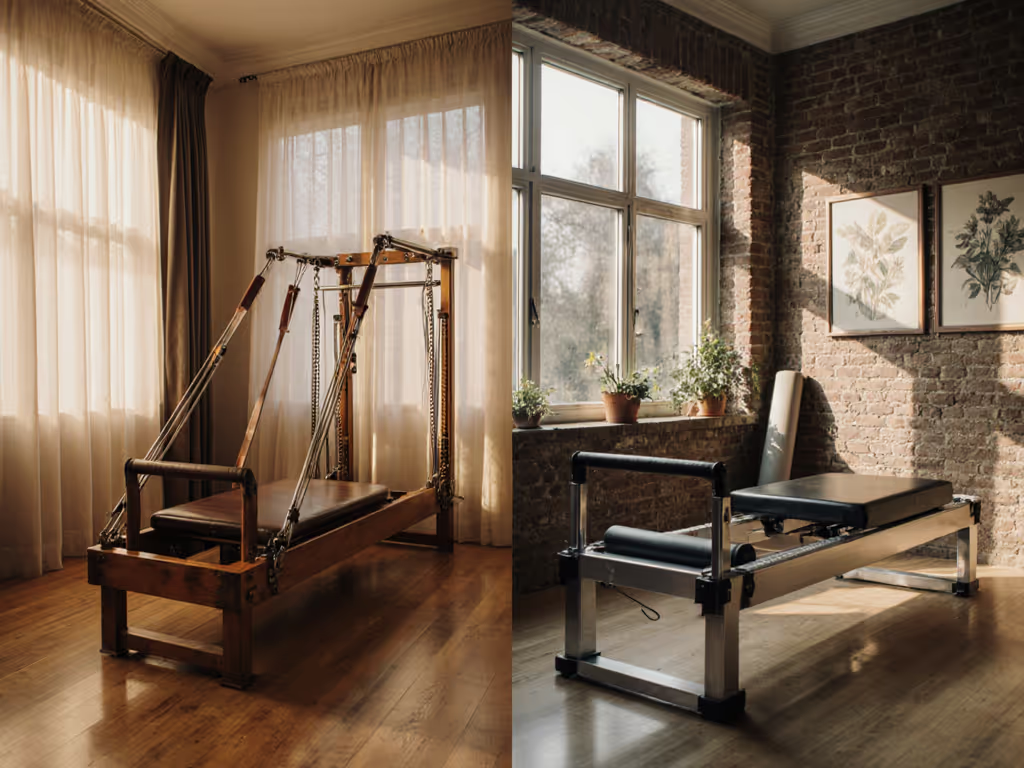
Wood frames swell and warp in high humidity; metal parts oxidize and springs rust. Keep humidity between 40-60% indoors, but outdoor equipment requires protection strategies instead. For material choices that tolerate moisture swings, see our wood vs metal frames comparison.
Moisture management steps:
- Store equipment under cover overnight if rain is forecasted
- After rain, wipe down all surfaces and leave uncovered briefly to air-dry if weather permits
- Ensure drainage around the equipment base; elevate on small pads if sitting directly on wet ground
- Inspect spring attachment points weekly for rust spots; treat immediately with a dry cloth and light oil
- Check frame joints for water pooling or trapped moisture; apply wood conditioner to seal wood after extended wet exposure
If your climate has high seasonal rainfall, consider investing in a weather-resistant storage locker or moving equipment indoors during wet months.
Temperature Swings and Material Stress
Freeze-thaw cycles, rapid heating, and cold snaps stress springs, adhesives, and joints. Metal parts contract and expand, creating micro-gaps where moisture enters. Springs lose tension consistency in cold air.
Temperature response steps:
- Before cold-weather use, test spring resistance; cold springs may feel tighter but less responsive
- Inspect all bolts monthly in winter; metal contracts and fasteners loosen
- Allow equipment to acclimate indoors for 30 minutes before heavy use after cold storage
- In very cold climates, apply a thin silicone coating to metal parts to reduce moisture condensation
Rust Prevention and Metal Care
Rust is the outdoor equipment killer. Springs, eye hooks, and metal fasteners are vulnerable even in temperate climates. Prevention beats remediation.
Rust prevention protocol:
- Inspect all metal components weekly for orange-brown spots or pitting
- Treat surface rust immediately with a dry cloth; do not let it spread
- Apply a thin silicone-based spray to metal parts monthly
- Ensure all fasteners are stainless steel or galvanized; replace mild steel bolts if found
- Keep wood frames sealed; exposed wood wicks moisture into adjacent metal joints
- Store covers and tarps away from metal parts overnight; plastic-on-metal traps moisture
If rust develops, remove it with a soft brush or fine steel wool, wipe dry, and immediately apply protective coating. Severe corrosion may require professional service or component replacement.
Annual Deep Inspection and Seasonal Transition
Once yearly, ideally at seasonal transitions (spring and fall), conduct a full maintenance overhaul.
Annual checklist:
- Deep-clean the entire frame, rails, and all contact surfaces
- Inspect wooden frames for rot, lifting, or structural cracks
- Test all springs; replace any showing wear, rust, or inconsistent resistance
- Verify all bolts and structural fasteners are tight and corrosion-free
- Check upholstery padding; replace cracked or hardened padding
- Inspect ropes and straps for fraying or weakness; replace if worn
- Test carriage glide, pulley movement, and all mechanical functions under load
- Clean and seal wooden frames with appropriate wood conditioner
- Document conditions and any repairs completed
If your equipment is heavily used outdoors year-round, consider moving it indoors for winter storage in cold climates, or at minimum covering it completely and elevating it off wet ground.
Weatherproofing Essentials: Products and Practices
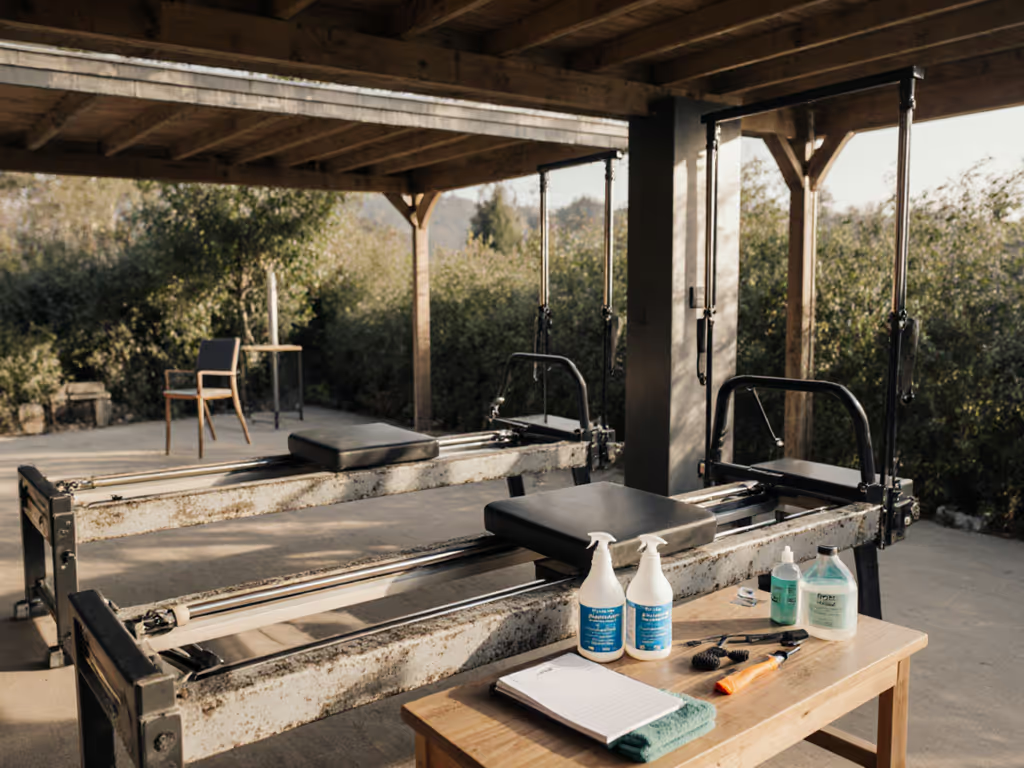
Outdoor pilates equipment needs protective gear beyond standard studio care. A weatherproofing kit should include:
- UV-protective cover: breathable, fitted, rated for your climate's sun exposure and wind
- Silicone-based lubricant spray: for metal parts and track maintenance (not oil)
- Mild cleaning solution: 1:10 dish soap to water ratio
- Soft cloths and microfiber towels: for gentle drying
- Wood conditioner: if your equipment has wooden frames
- Stainless steel fasteners: replacement bolts and screws
- Protective pads: rubber or foam pads to elevate equipment off ground moisture
Store these near your equipment so maintenance is frictionless. When supplies are visible and accessible, the step-by-step rhythm becomes habit.
Building Your Reset Rhythm
Outdoor equipment thrives on consistency. Tape out your maintenance cadence (literally, if it helps). Assign days: Mondays are weekly deep cleans, the first Saturday of each month is lubrication day, September and March are annual overhauls. Set phone reminders if needed.
The principle is the same one I apply to micro-studio layouts: circulation lanes matter, reset speed matters, and equipment that breathes between sessions, stays equipment. An outdoor reformer on a patio is earning its footprint only if you can practice safely and reliably, in any season, without compromise.
Once your weatherproofing routine is running, that outdoor space becomes a genuine extension of your studio practice, not a seasonal experiment. And that changes everything.
Further Exploration
Consider documenting your equipment's baseline condition with photos and measurements of spring resistance before the first outdoor season. This reference point makes seasonal changes obvious. You might also explore climate-specific forums for your region, where equipment owners in salt-spray coastal areas, high-humidity zones, or freeze-thaw climates often share preventive strategies tailored to local challenges. If you notice rust, warping, or mechanical issues beyond routine maintenance, consult your equipment manufacturer or a qualified technician before conditions worsen. Finally, test your storage and covering approach during your first season; adjustments now save hours of remedial work later.
Related Articles