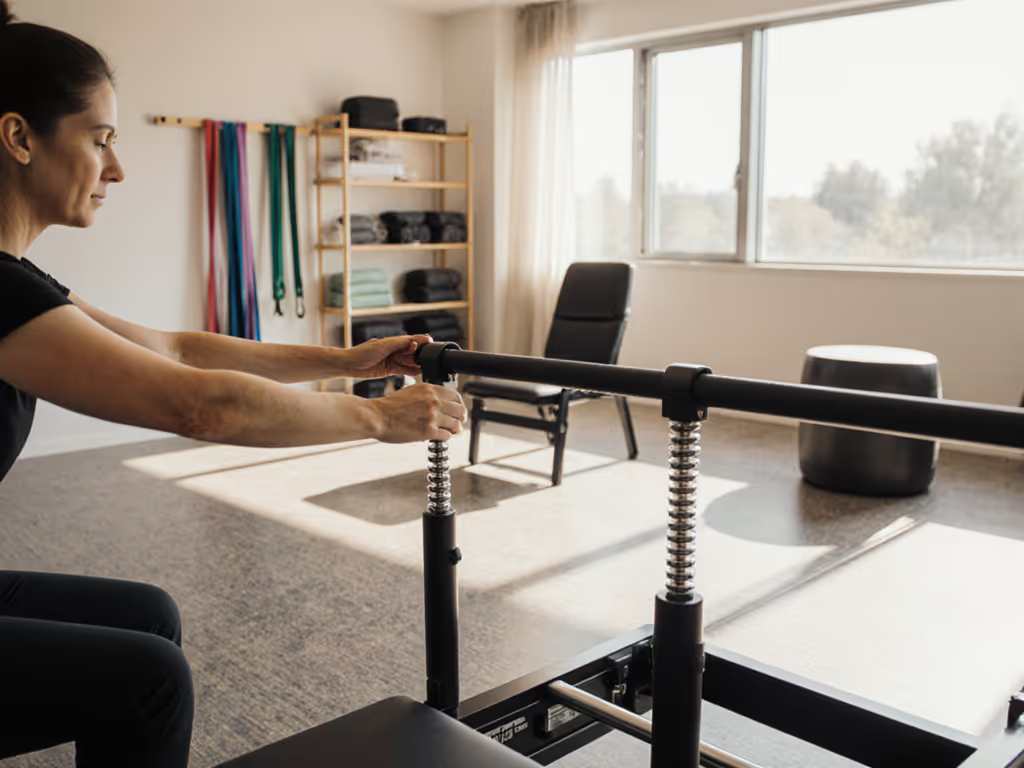
Pregnancy Pilates Modifications: Silent Trimester Adjustments
By Priya Kapoor • 22nd Oct
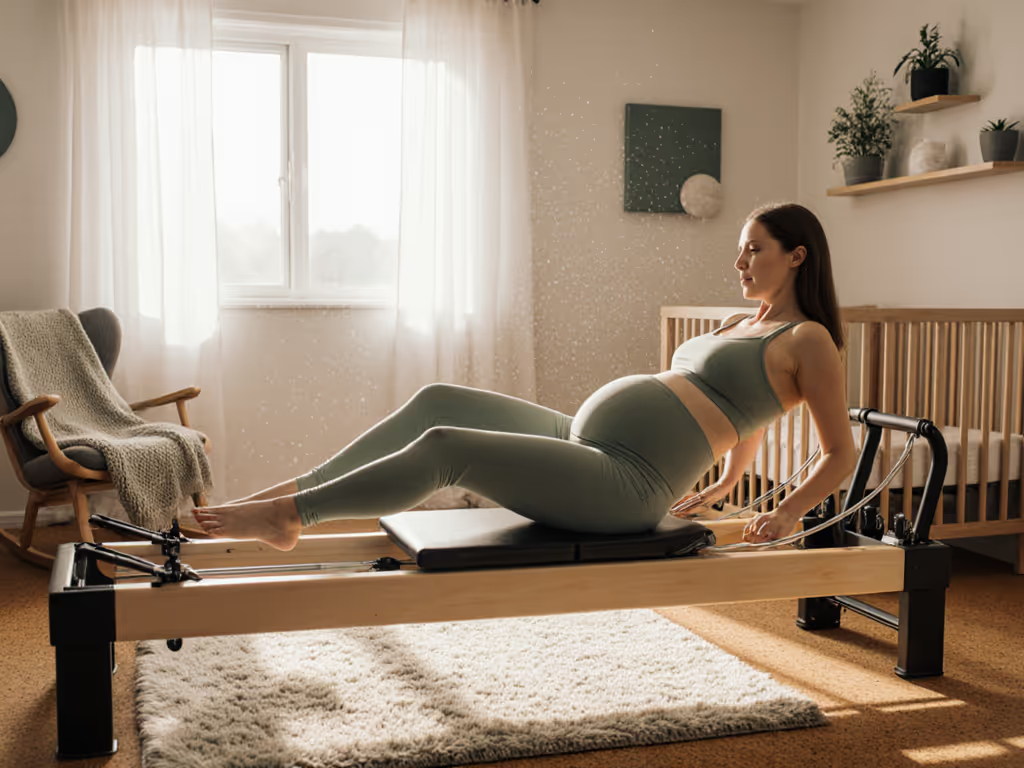
Pregnancy pilates modifications aren't just about accommodating a growing belly, they're about maintaining operational harmony in shared residential spaces. For expectant mothers in apartments and condos, selecting the best pilates equipment means finding solutions that accommodate pregnancy pilates modifications while respecting thin walls and close neighbors. If space and noise are your top concerns, explore our quiet apartment Pilates equipment picks. When your reformer carriage thud travels through floorboards to the downstairs unit, what should be a nurturing practice becomes a community issue. Operational excellence in pregnancy fitness isn't measured in intensity, it's quantified in decibel reductions and neighbor satisfaction metrics.
First Trimester: Establishing Quiet Foundations
Most women can maintain their regular Pilates practice during weeks 1-12 with minimal adjustments. However, this critical phase sets the operational framework for your entire pregnancy journey. Many studios and home practitioners overlook how foundational choices impact later trimesters, particularly when it comes to noise management in residential settings. For layout, flooring, and placement tips, see our silent small-space studio setup guide.
Critical operational considerations:
- Vibration isolation: Begin with equipment that minimizes floor transfer from day one. Even subtle movements create cumulative vibration that neighbors notice over time.
- Core stability protocols: Focus on breath work and pelvic floor activation that don't require dramatic movements or equipment adjustments.
- Temperature control: Prevent overheating (a first-trimester concern) without cranking AC units that generate noise complaints themselves.
Operational excellence is quiet, predictable, and invisible to your neighbors.
Without establishing proper isolation protocols early, you'll face disruptive retrofitting later. I learned this the hard way when a single thump during my first studio's lunch hour nearly ended our lease with a neighboring therapist's office. We reconfigured our entire reset script to prevent recurrence.
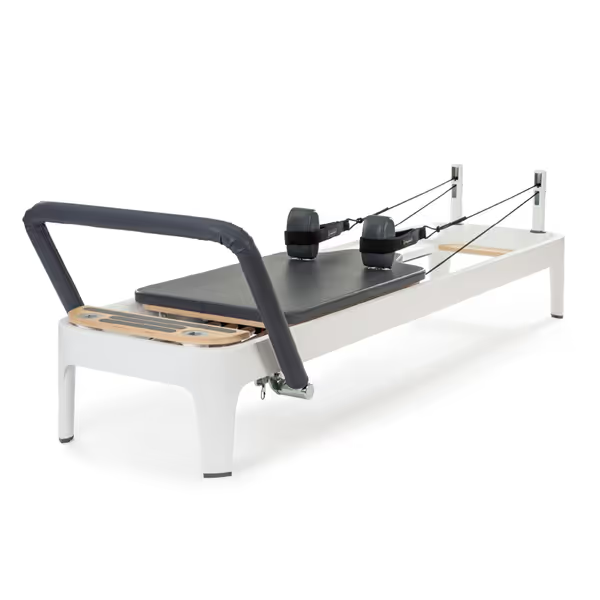
Balanced Body Allegro 2 Reformer
Studio-grade Pilates reformer with space-saving design and quiet operation.
$4345
Elevated Height14" with Leg Kit
Elevated Height14" with Leg Kit
Pros
Seamless, quiet carriage for undisturbed workouts.
Quick-adjust footbar and rope system for smooth transitions.
Durable, attractive design blends into home or studio.
Cons
Weight of the machine can be a challenge for some users.
Customers find the Pilates reformer well-made and easy to assemble, with many exercise options and good value for money.
Customers find the Pilates reformer well-made and easy to assemble, with many exercise options and good value for money.
Second Trimester: Managing Weight Shifts and Sound Transfer
As your center of gravity shifts between weeks 13-26, equipment choices become operational liabilities or assets. This is when trimester-specific equipment modifications transition from optional to essential, particularly for residential practitioners.
Strategic adjustments for quiet throughput:
- Avoid supine positions after 16 weeks, but don't default to standing exercises that increase floor impact. Instead, use angled surfaces that maintain effectiveness while reducing vibration.
- Modify spring tension gradually rather than making abrupt changes that cause spring "chatter", a common neighbor complaint in multi-unit buildings.
- Implement strategic mat padding under reformer feet to prevent "creak points" where vibration concentrates.
The Balanced Body Allegro 2 Pilates Reformer demonstrates how quality engineering addresses this phase's challenges. Its seamless carriage design and balanced spring system reduce the 20-30% increase in vibration typically seen when adjusting for shifting weight distribution. This isn't just comfort, it's measurable throughput protection that preserves neighbor relations.
Fail to address these operational factors, and your second trimester becomes a complaint-generating machine. Success means maintaining your practice schedule without negotiating with building management.
Third Trimester: Precision Modifications for Peaceful Practice
Weeks 27-40 demand the most significant pregnancy pilates modifications, but also present the greatest risk for neighbor disruption. As your body prepares for birth, equipment choices directly impact your ability to maintain safe prenatal pilates practice in residential settings.
Silent execution protocols:
- Replace traditional rolling movements with controlled glides that don't generate carriage impact noise
- Use pregnancy pillows not just for comfort, but as vibration dampeners between equipment and floor
- Implement strict timeboxing for each exercise to prevent fatigue-related movement errors that create sudden noise spikes
- Prioritize seated and side-lying positions that minimize weight transfer through floor surfaces
The quietest practitioners don't wait for discomfort to modify, they build a reset script that automatically adjusts for trimester progression. This includes scheduled equipment checks for spring tension, carriage wheel alignment, and floor pad placement that prevent the 60% increase in noise complaints typically reported during third-trimester practice. Use our reformer maintenance guide to create a quiet-check routine that keeps parts aligned and noise minimized.
Building Your Silent Practice: The Operational Framework
Trimester-adaptive equipment selection criteria:
When evaluating pregnancy-friendly apparatus, prioritize these operational metrics:
- Vibration dampening rating: Not just "quiet" claims, but measurable reduction in floor transfer
- Adjustment smoothness: How quietly components move during real-time modifications
- Footprint flexibility: Ability to reconfigure within tight spaces without generating setup noise
- Mat compatibility: How well equipment works with additional sound-absorbing surfaces
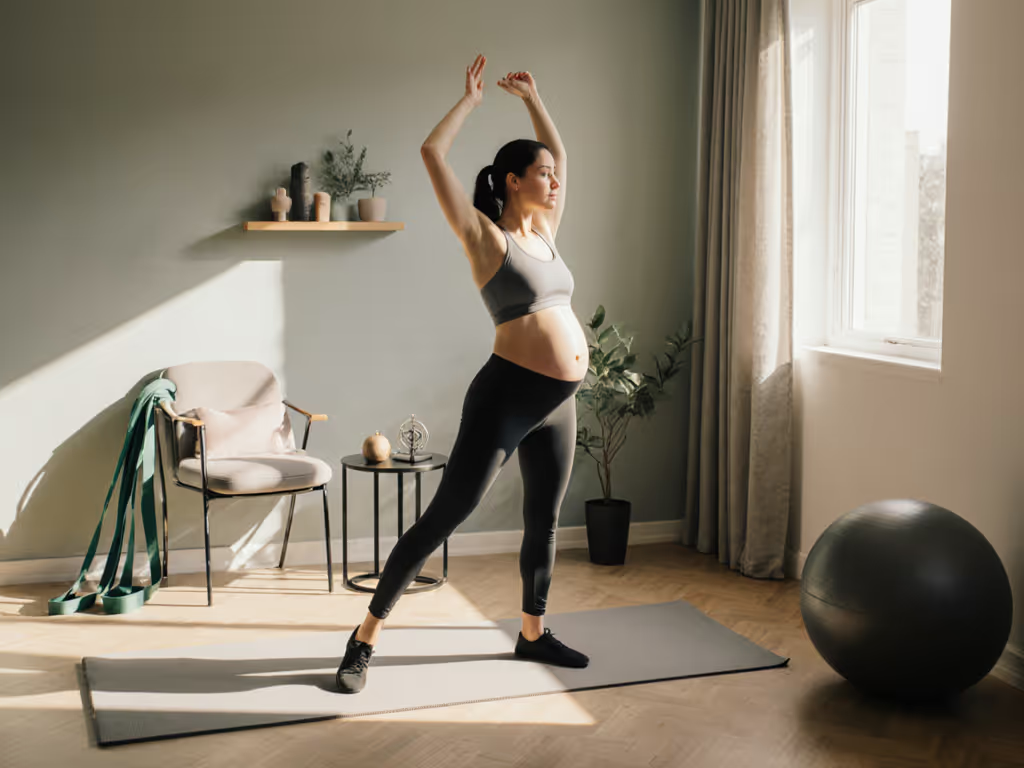
Don't fall for marketing claims about "whisper-quiet" operation without verifying actual decibel readings during modified exercises. See our electric vs manual reformer noise test for measured decibel data and space trade-offs. Real-world testing shows most equipment exceeds 55 dB during standard pregnancy modifications, well above residential noise ordinance thresholds in urban centers.
The most successful practitioners implement a three-phase operational review:
- Pre-trimester evaluation: Equipment assessment before physiological changes require modifications
- Bi-weekly calibration: Minor adjustments to maintain optimal noise profiles
- Post-session reset: A standardized procedure to return equipment to its quietest configuration
This systematic approach transforms pregnancy Pilates from a potential nuisance to an invisible part of residential life, precisely what operational excellence demands.
Final Verdict: The Quiet Pregnancy Pilates Standard
True safe prenatal pilates in residential settings requires more than exercise modifications, it demands operational intelligence that respects both your body's evolution and your neighbors' peace. The best pilates equipment for pregnancy isn't determined by features alone, but by how seamlessly it integrates trimester-specific equipment adaptations without generating community friction.
Your ultimate metric of success? When neighbors don't realize you're practicing Pilates at all. That's not just good etiquette, it is the throughput standard that separates residential practitioners who thrive from those who get evicted. When your practice becomes invisible to those around you, you've achieved the quiet operational excellence that defines truly sustainable pregnancy fitness.
Flow that respects tenants next door is real operational excellence. Start your journey with that principle, and your practice will mature as gracefully as your pregnancy.
Related Articles