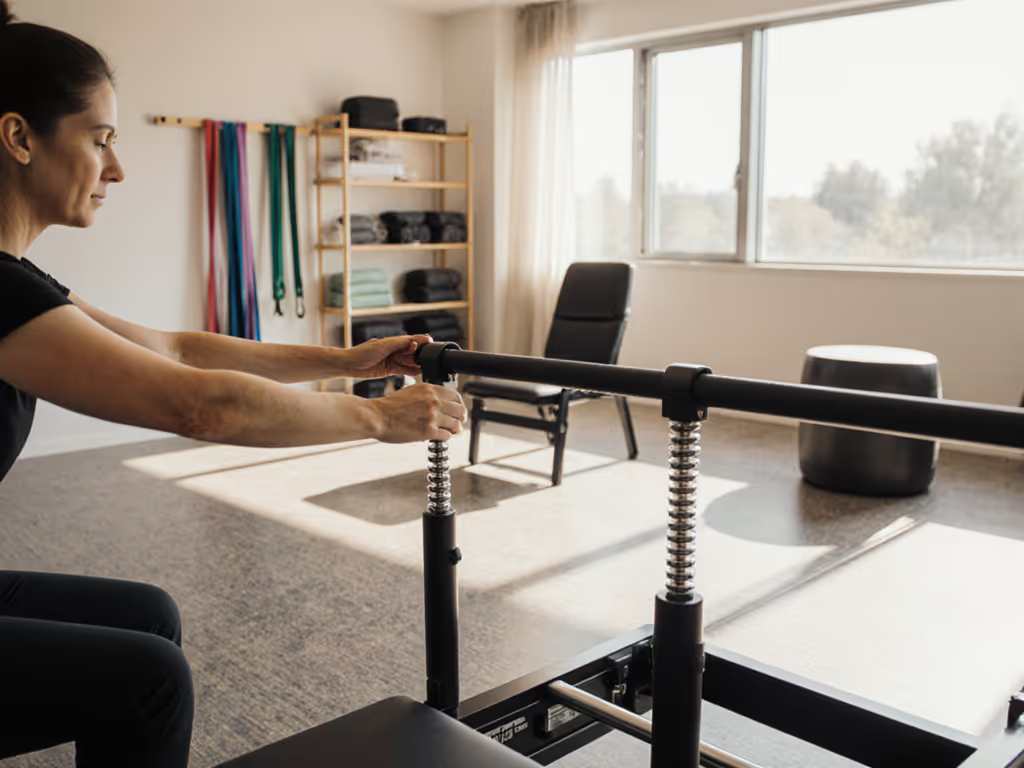
Best Pilates Equipment for Creatives: Silent Flow
By Priya Kapoor • 27th Feb
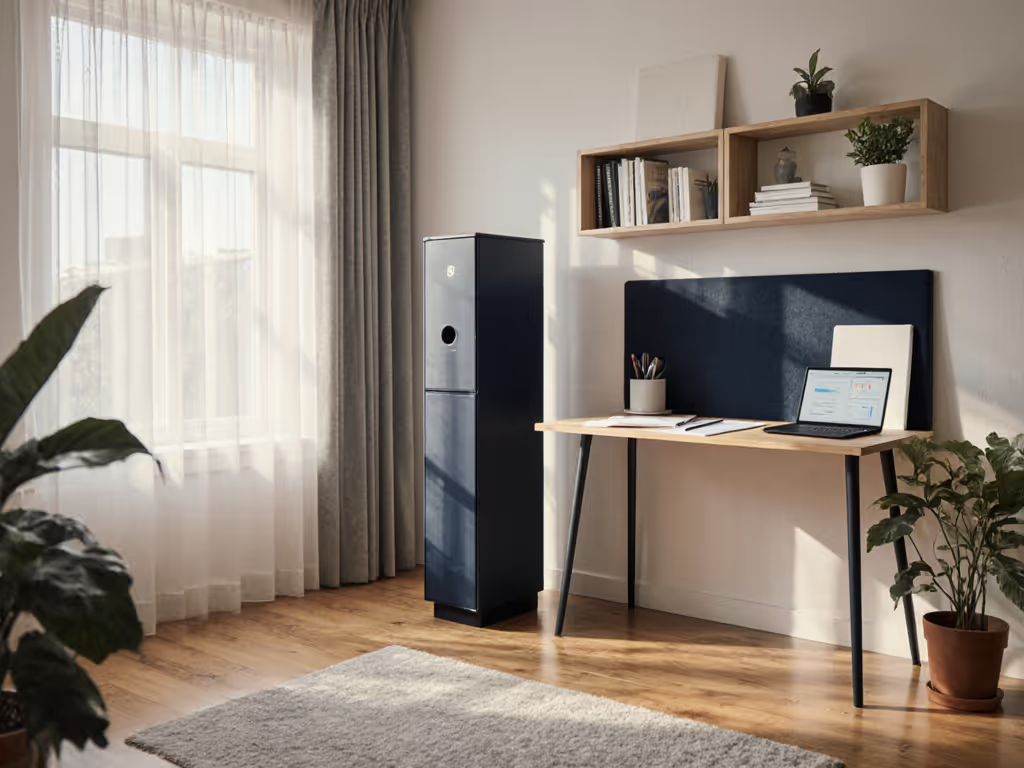
Creatives working from home need artist-specific apparatus that delivers results without disturbing shared walls. Whether you're a writer hunched over a desk, a visual artist standing at an easel, or a designer in a hybrid studio-apartment, your pilates equipment must earn its place through two simultaneous achievements: muscular transformation and complete silence. The right pilates equipment for your space becomes invisible to neighbors while reshaping how you move, breathe, and recover between creative marathons.
Why Creatives Need Pilates, and Why Equipment Matters
Creative work is a posture catastrophe. Hours of seated or static standing work compress the spine, flatten the core, and tense the shoulders, a pattern I've seen across hundreds of urban studios. The mental toll runs parallel: stress, repetitive strain, and a depleted sense of control. This is where pilates intervenes differently than generic fitness.
Pilates reformers and companion apparatus deliver core strength, flexibility, and improved posture through controlled, low-impact movement[1][2][3]. For creatives specifically, the benefits are compound: a stronger core and enhanced spine alignment reduce neck and back pain, which is career-critical for anyone whose income depends on a functioning body[1]. The mental gains (stress reduction, improved focus, and that mind-body synchronization pilates demands) directly feed creative output[1][2].
But here's the operational reality: a loud, clunky machine in a thin-walled apartment becomes an obstacle, not an ally. Equipment that squeaks, thumps, or vibrates through floors fractures both your practice and your relationship with neighbors. If thin walls are your reality, see our best apartment Pilates equipment picks for foldable, wall-mounted, and compact options that keep noise down. I learned this early in a micro-studio shared with a therapist's office; a single carriage thump at the wrong hour nearly ended our lease. That day forced a reckoning: client flow and neighbor peace must be designed together, not sequentially. We reconfigured our class schedule, swapped out a noisy reformer for one with better spring damping, and added isolation pads. Throughput recovered, complaints vanished, and the lesson stuck: flow that respects tenants next door is real operational excellence.
Comparing Equipment for Small Spaces and Quiet Operation
The Pilates Reformer: Core Power in a Compact Frame
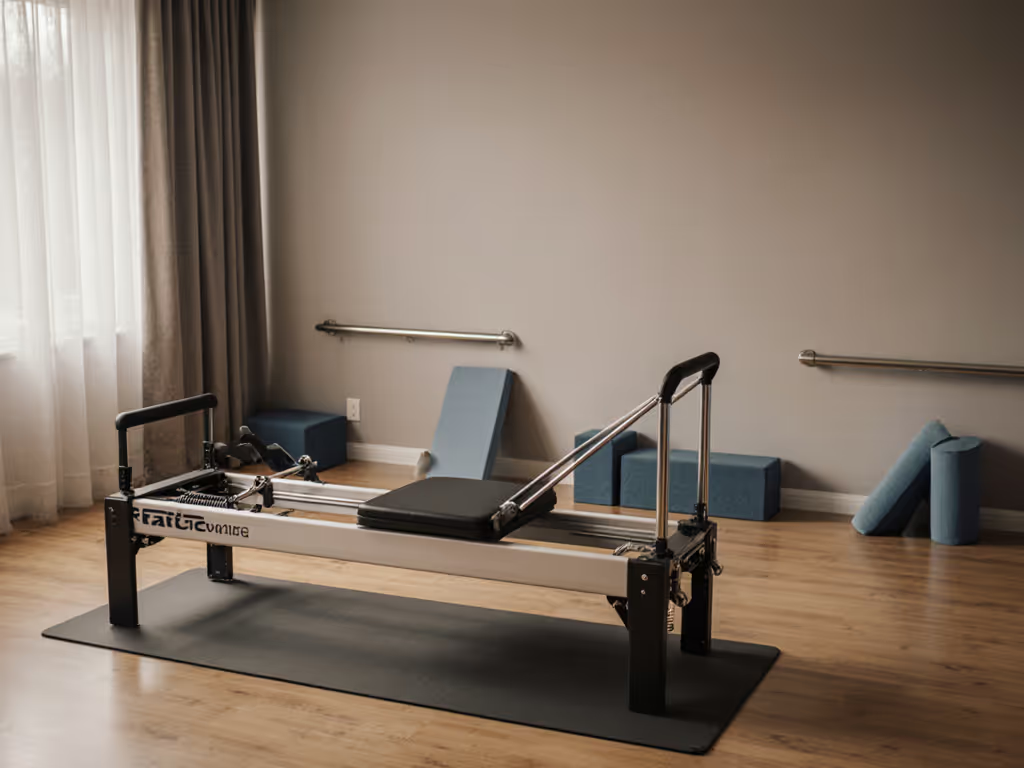
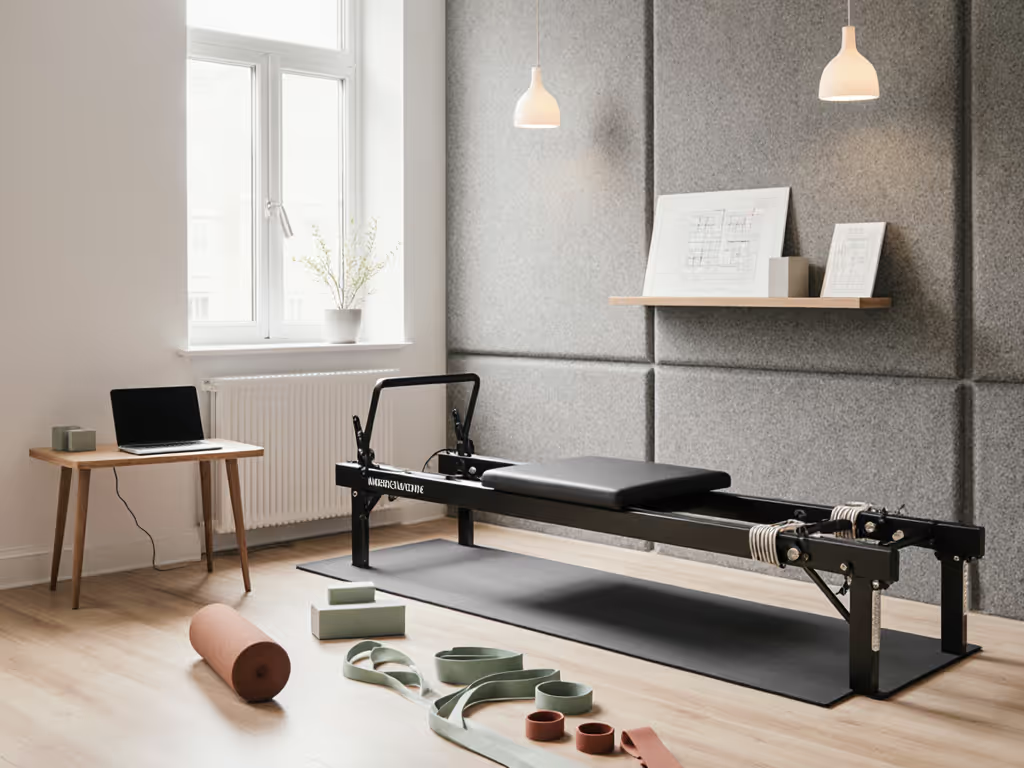
The reformer machine is the workhorse. It uses springs, pulleys, and a sliding carriage to create adjustable resistance, enabling a full-body workout that targets strength, flexibility, and endurance[2]. For creatives, the reformer excels because every exercise can be scaled: start with lighter spring tension during a busy work morning, then deepen the challenge in evening sessions when focus sharpens.
Key operational specs for quiet living:
- Carriage design: Look for machines with low-profile carriages (under 4 inches off the frame) and precision ball bearings. The carriage should move smoothly without metallic clacking or spring chatter[1][3]. Fluid motion through the stroke reduces impact noise significantly.
- Spring damping: Premium reformers use wrapped or coil springs with internal dampening. This cuts the metallic "ping" that budget models produce. Spring tension is adjustable, so you can reduce resistance for noise-sensitive sessions without sacrificing effectiveness.
- Footprint: Full-size reformers typically require 7 feet × 3 feet of space, but compact and foldable models compress to 6 feet × 2.5 feet or smaller. A folded reformer stores vertically against a wall, crucial for apartment dwellers.
- Floor contact: The frame should rest on rubber feet or isolation pads (more on this below). Metal feet directly on wood or tile amplify vibration and transmit sound through the floor. For surface-specific setup tips, read our Pilates flooring setup guide.
Reformer throughput metric: A single reformer enables 4-6 effective sessions per week per person (30-45 minutes each), with 5-10 minute resets between sessions if you're staggering use with a partner or micro-studio.
The Pilates Tower: Vertical Strength Without Footprint Explosion
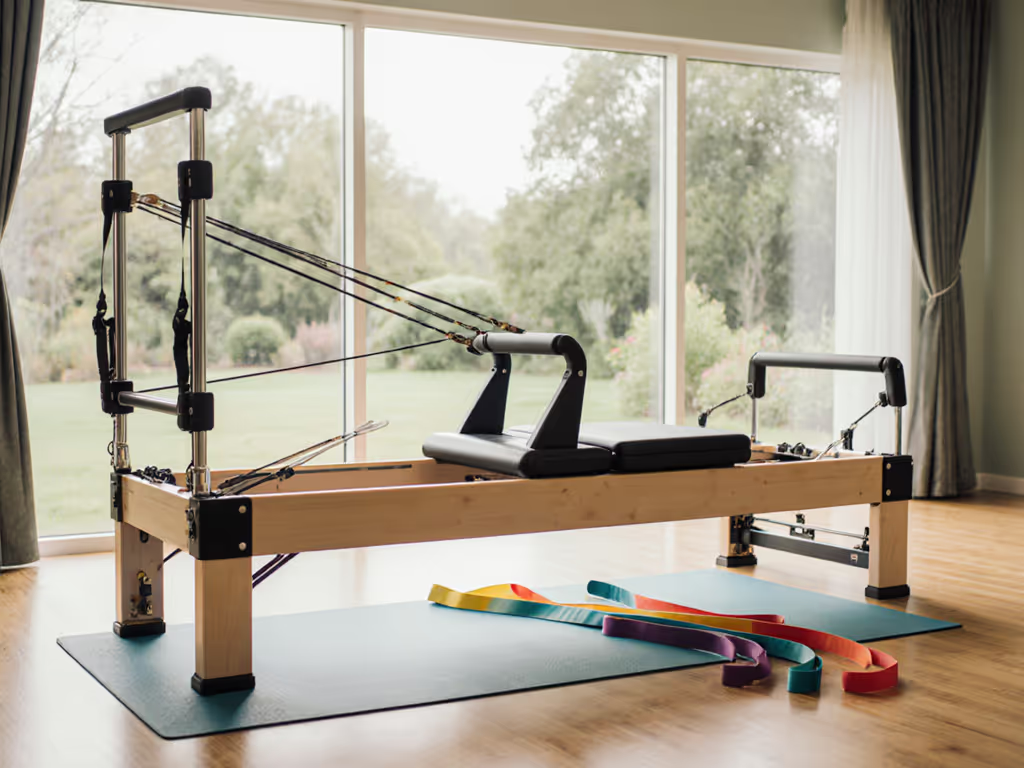
A tower (also called a Cadillac or vertical frame) stacks strength training vertically, using the same spring-based resistance as a reformer but occupying a fraction of the floor space. The tower's vertical profile makes it ideal for ceiling-height apartments (9-10 feet minimum) and long, narrow rooms where horizontal equipment won't fit.
Operational advantages for creatives:
- Footprint: Roughly 3 feet × 3 feet at the base; the vertical climb doesn't consume precious studio real estate.
- Exercise variety: Towers deliver deep stretches and back extension work; combined with the breath, they excel at lengthening a compressed creative spine[5]. The lack of a prescribed sequence means instructors (or you, self-directing) can adjust movements to your specific tightness zones (hips, shoulders, lower back).
- Noise profile: Towers are inherently quieter than reformers because there's no carriage sliding across a frame. Spring tension and body weight create sound mainly through the tower structure itself. High-quality models with reinforced joints and welded (not bolted) connections transmit far less vibration. If you're choosing between setups, compare tower vs reformer for quiet apartments.
Tower throughput metric: A single tower enables 5-7 sessions weekly, with minimal reset time (no carriage to realign, just adjust spring bars between users).
Mat Work and Compact Apparatus: The Quiet Baseline
For creatives in the tightest spaces or those needing absolute silence, mat work with minimal props remains unmatched. A Pilates mat (thick enough to cushion the spine), a foam roller, and perhaps a small arc barrel or yoga wheel provide substantial strength and mobility work with zero noise risk.
- Mat work cost and footprint: Under $200 and folds into a yoga bag. Noise: essentially zero, especially on carpet or a rug.
- Effectiveness: Dynamic stretching, core engagement from within, and flexibility gains rival reformer sessions[3][4]. Studies show mat-based Pilates and equipment-based Pilates yield comparable improvements in core strength and functional flexibility over time.
- Setup time: Under 2 minutes. Rollable, storable, perfect for the quiet hours protocol... any time is safe time.
Mini-Reformers and Foldable Alternatives: Compromise or Gateway?
Mini-reformers compress into roughly 5 feet × 2 feet and often cost 40-60% less than full-size models. Some fold to near-suitcase dimensions. Tempting, but operationally risky:
- Spring breakage: Smaller units often use thinner springs that fatigue faster. Replacement costs compound quickly, and a snapped spring mid-session creates sharp, loud failure.
- Carriage wobble: Compact models sometimes have less robust bearing systems; the carriage can shudder or drift, producing unpredictable noise and reducing exercise precision.
- Exercise ceiling: You'll outgrow a mini-reformer within 8-12 weeks if you're consistent. Throughput stalls when you can't deepen the challenge.
Recommendation: Treat a mini-reformer as a 4-week trial, not a permanent investment. If it works, trade it for a full-size compact model. If it frustrates, pivot to a tower or sustained mat practice. You can explore short-term options in our Pilates equipment rental guide.
The Quiet Hours Protocol: Setup for Neighbor Peace
Equipment alone doesn't guarantee silence. Operational setup is everything.
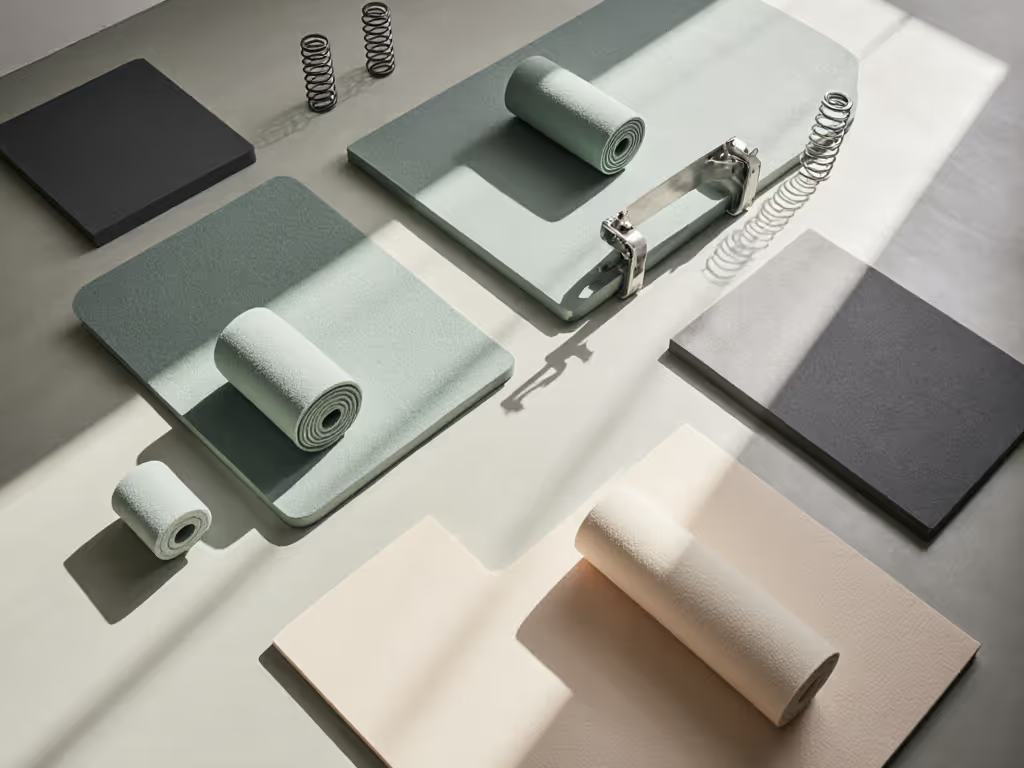
Floor isolation is non-negotiable. Place isolation pads, high-density rubber or cork composites, 1-2 inches thick, under all equipment feet. These reduce vibration transmission by 60-80% and protect wood floors from marks. Pads cost $40-100 and are the highest-ROI noise-control investment.
Scheduling layers noise reduction. If you have a reformer and a tower in a shared wall situation, stagger use: reformer in the morning (carriage motion when ambient noise is higher), tower work in the evening (inherently quieter). Avoid 10 PM-8 AM sessions on Sundays in buildings with a mixed-use ground floor.
Spring maintenance prevents squeaks. A dry or rusty spring becomes a noise source. Every 4-6 weeks, lightly oil spring attachment points (not the coils themselves) with silicone-based lubricant. For a complete checklist to keep noise down, follow our reformer maintenance guide. A single squeak can be the difference between a landlord who barely notices and one who sends a noise complaint. That detail, handled, is the definition of operational excellence.
Carriage slides need a smooth reset. Before each session, manually glide the carriage back and forth 3-4 times at half speed. This redistributes spring tension and warms the bearing system, reducing sticking and jerky motion that generates noise.
Choosing Your First Apparatus: A Practical Sequence
For writers and desk-bound creatives:
Start with mat work + a compact, high-quality reformer (if budget allows) or a tower. Your primary pain point is thoracic compression and lower back tension. A reformer's lying-down posture and spinal articulation sequences target this directly. If space is under 150 square feet, prioritize the tower to preserve walkway clearance.
For visual and spatial artists (painters, sculptors, designers):
Begin with a tower or mat work. Your postural load is asymmetrical standing; a tower's deep stretches and shoulder/hip mobility sequences address this. A reformer is a secondary layer once you've rebuilt mobility.
For hybrid work (remote + studio time):
Invest in one piece of equipment with the longest exercise repertoire per square foot. A full-size compact reformer edges out a tower because carriage-based resistance enables more micro-adjustments for varied strength progressions. If you have two rooms (bedroom + studio), a tower in the studio and a mat at home splits the load and maximizes quiet hours across spaces.
The Data-Driven Buy: What to Verify Before Purchase
Beyond brand and price, measure these operational metrics:
-
Actual footprint and required clearance. Request specs in writing and verify ceiling height if buying a tower. Many listings hide that a reformer needs 18 inches behind for foot bar extension or that a tower requires 12 inches of overhead space for stretching arms.
-
Spring count and gauge. Premium reformers use 4 springs (not 3) with thicker gauge wire; this correlates with lower noise and longer lifespan.
-
Frame material and weight. Aluminum frames vibrate differently than hardwood or steel. A heavier frame (180+ lbs for a compact reformer) typically means better damping and less noise transmission.
-
Assembly time and tools required. Avoid equipment needing drilling, wall anchors, or two-person assembly if you're renting. Foldable models that snap together in under 5 minutes are asset-protecting.
-
Warranty and spring replacement cost. A 5-year warranty on springs is standard; check if replacement springs cost $15 or $80. Low replacement cost signals a design built for longevity.
-
Return policy and logistics. For apartments, confirm that returns don't require you to arrange freight. Some brands pick up; others don't. Walk-ups especially: confirm they'll carry to your floor, not leave it curbside.
Next Steps: Building Your Silent Studio
Start small and verify. If you're new to pilates, rent or trial a reformer at a local studio for 2-3 sessions before buying. You'll learn your noise sensitivity and preferences without financial risk.
Measure your space precisely: tape it out if necessary. Check ceiling height and note which walls are shared. Call your landlord or review your lease on wall-mounted equipment; know the rules upfront.
Commit to a quiet hours protocol from day one. Buy isolation pads alongside your equipment, not after the first noise complaint. Establish a reset sequence (carriage glide, spring check, floor scan for objects) that becomes automatic. Thirty seconds of operational discipline prevents a three-month conflict with neighbors.
Choose equipment that invites consistency, not dread. A silent, responsive machine becomes an extension of your creative practice. When you know your next session won't disturb anyone, you practice freely. That peace compounds: stronger core, clearer mind, and a relationship with your space (and your neighbors) built on respect and care. That's the equipment investment worth making.
Related Articles