Best Modular Pilates Equipment for Small Spaces
By Mateo Álvarez • 19th Mar
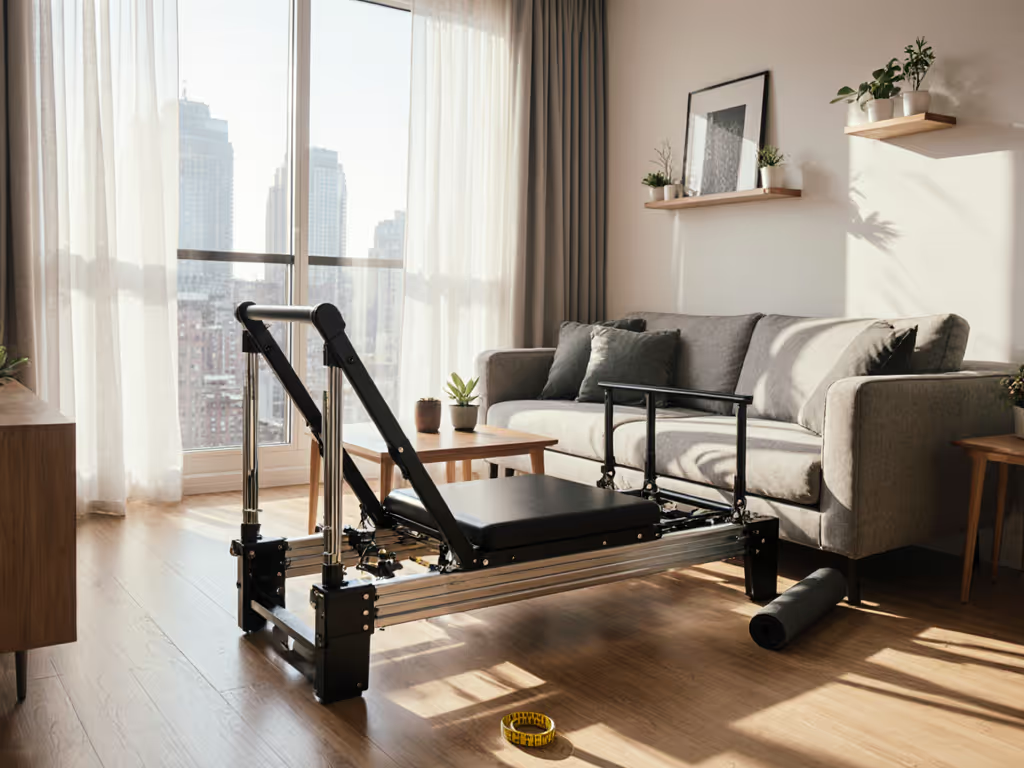
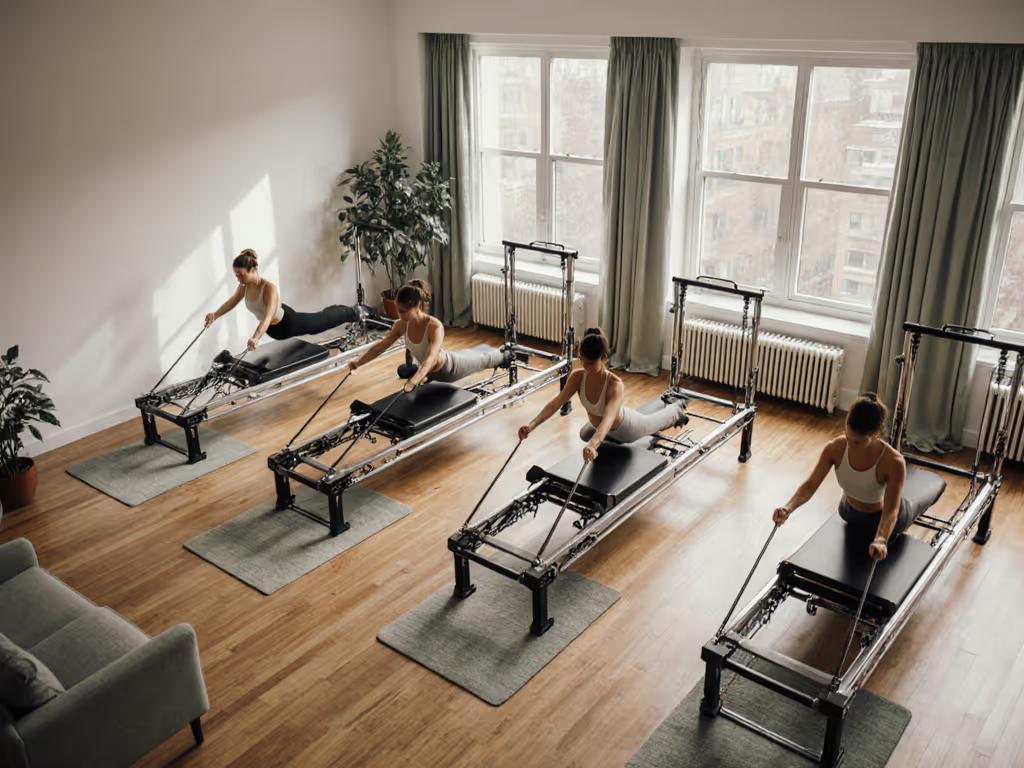
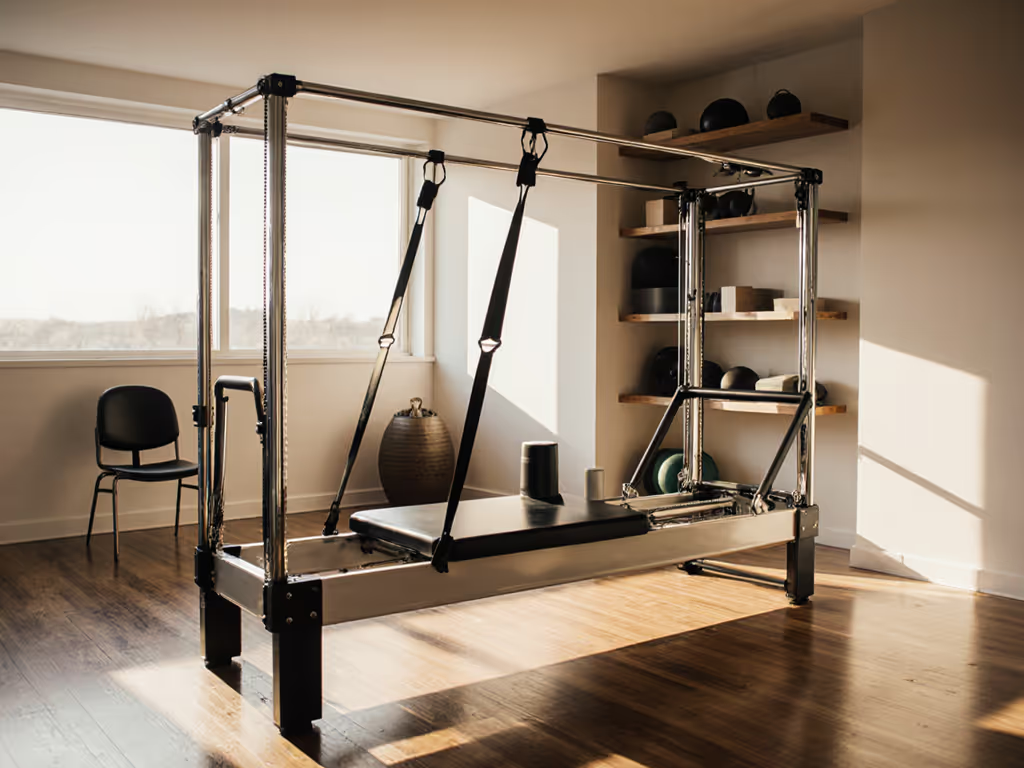
Building a pilates equipment collection for a compact apartment or micro-studio doesn't mean sacrificing studio-grade movement quality. The right modular pieces (foldable reformers, vertical towers, and stackable accessories) let you practice with control and flow while respecting both your footprint and your neighbors' peace. I once taped out three reformers on a studio floor and realized only one left safe walking lanes. If you're deciding between wall-mounted towers and traditional reformers for tight apartments, see our tower vs reformer guide. That day I started treating floor plans like choreography. Every hinge, caster, and wall stud matters when clients move between classes or when you need to reset your home setup in minutes, not hours.
Why Modular Equipment Matters in Tight Spaces
Standard pilates reformers occupy roughly 6 feet by 2.5 feet and stay in place. They anchor your room and demand permanent real estate. For renters, remote workers, and micro-studio operators, that footprint eats up livability. Modular and foldable systems solve this by letting you tape the footprint: measure your actual space, test the flow under pressure, and choose gear that breathes between sessions instead of battling clutter.
The advantage goes beyond inches. A foldable reformer or a vertical tower compresses your workflow: setup under a minute, teardown just as fast, and storage that doesn't dominate your bedroom or hallway. For micro-studios with 300-500 square feet, this speed matters. Clients expect smooth transitions. Neighbors expect quiet. Modular gear earns its place by resetting reliably.
Space should breathe; gear must earn its footprint by resetting fast.
Essential Modular Pilates Equipment Categories
Foldable Reformers: The Foundation
A compact, foldable reformer is the workhorse of small-space pilates. Unlike traditional full-size machines, these models deliver studio-grade springs and carriage glide in a frame that folds flat for under-bed or closet storage. Key markers to check:
- Footprint when open: Aim for 72" × 27" or smaller.
- Fold profile: Can it nestle flat, or does it remain bulky when collapsed?
- Setup time: Best models clip or lock into place in under 60 seconds.
- Spring quality: Look for consistent resistance across multiple spring weights, not cord-based alternatives that feel spongy or uneven.
These machines work for beginners and intermediate users and provide the controlled environment you need to practice safely in a shared building without concern over carriage thumps disturbing the unit below.
Vertical Towers and Cadillacs: Tight-Footprint Versatility
If you want apparatus variety without horizontal sprawl, a space-saving pilates tower (also called a folding reformer or vertical tower) compresses a full apparatus into a narrow footprint. These units stack multiple exercise functions (push-through bar, springs, roll-down bar, handles) into a vertical design that occupies roughly 3 feet × 2 feet of floor space.
The payoff: full-body workouts targeting different muscle groups without needing separate chairs or barrels. The foldable design also enables storage when not in use, perfect for practitioners in modern living spaces where maximizing square footage is non-negotiable.
Compact Pilates Chairs: Agile Resistance
A compact pilates chair (such as a Wunda-style model) is a deceptive space-saver. These portable, chair-shaped apparatus provide serious resistance training and can be easily tucked into a closet or corner when finished. They are ideal for private sessions, advanced training, and clients who need to focus on balance, core strength, and coordination without occupying a 6-foot footprint. A single chair takes up roughly 2 feet × 3 feet when in use.
Accessory Kits: Buildable Layers
Once you have a core apparatus (reformer or tower), modular accessories let you expand without replacement. For noise-friendly add-ons that maximize capability, see our quiet reformer accessories.
- Resistance bands and magic circles: Store in a drawer; add load without footprint growth.
- Mini pilates ball sets: Target inner thighs, core, and pelvic floor; portable and nestable.
- Foam rollers and small exercise balls: Balance training and recovery; compact and stackable.
- Foldable resistance band kits: Multiple resistance levels, easy to fold and tuck away.
This layered approach lets you start small (a mat and a portable reformer) and expand with springs, boxes, or barrel attachments as your practice deepens (without ever replacing your core apparatus).
The Setup and Reset Checklist: Safe Circulation and Lease Protection
Before you bring equipment home, map your space like a choreography floor.
Clear Measurements Checklist:
- Measure the open space where your reformer or tower will sit. Include 12–18 inches of clearance on all sides for entry, exit, and movement.
- Mark the path clients (or you) will walk to reach it. Are there door swings, hallway transitions, or stairs that narrow your lanes?
- Note ceiling height above the tower; ensure at least 6 feet 2 inches if you plan to use the overhead bar or roll-down feature.
- Identify the quietest wall (away from neighbor's bedroom or office) if wall mounting is an option for storage.
- Test the floor: Is it hardwood, concrete, or thin carpeting over wood? Get floor-specific setup tips in our Pilates flooring guide. This affects vibration transmission and your choice of isolation pad.
Setup and Reset Under Pressure:
- Time your full setup from storage to ready-to-practice: your target is under 5 minutes.
- Practice one teardown during off-hours; note which parts need a spotter or which might scratch the floor.
- Use painter's tape to mark the footprint daily; this habit reveals if casters are creeping or if clients are walking closer to your equipment than safe.
- Keep all hinges and locks clean and dry; a sticky caster or frozen hinge kills reset speed.
Addressing Small-Space Pain Points
Noise and Vibration
Foldable and vertical apparatus reduce carriage impact and floor chatter compared to fixed systems. Pair any equipment with a high-density isolation pad (1/2-inch minimum) to dampen vibration transmission into the subfloor. This is not a building-code step; it's a courtesy layer between your workout and your neighbor's peace.
Floor Protection Without Damage
Use interlocking foam tiles or a thin plywood platform under your isolation pad. This distributes caster weight and protects hardwood floors without requiring adhesive or fasteners. When you move out, roll up the tiles and walk away: no wall damage, no security deposit loss.
Aesthetic Integration
Modular equipment that folds into minimal profiles (3-4 inches when collapsed) tucks behind a door or under a bed without visual clutter. Some designs feature wood-frame or upholstered finishes that blend with living-room decor rather than screaming "gym room."
Quick Reconfiguration for Variety
Stack your accessories on a small rolling cart: bands, balls, and blocks in clear, labeled bins. Between sessions, swap one tool for another in seconds. This modular fluidity prevents boredom and lets you teach or practice different programs without resetting the entire room.
Space Planning by Apartment Type
- Studio or one-bedroom (300-500 sq ft): Choose a compact foldable reformer + mini-ball kit. Store in a closet. Use a 4' × 6' mat zone with a small resistance-band kit.
- One-bedroom with den (600-800 sq ft): Add a vertical tower or compact chair. Keep one apparatus out; rotate storage weekly to avoid "equipment morgue" fatigue.
- Two-bedroom or micro-studio (800-1200 sq ft): Layer two compact reformers and a tower if your floor plan supports it. Use a wheeled cart system for accessories. Test flow with tape before buying gear #2.
The Modular Philosophy: Earn Your Footprint
Modular equipment thrives when you treat it as a living system, not a purchase. Start with one piece (likely a compact foldable reformer) and live with it for 2-4 weeks. Note what you reach for, what you skip, and where friction creeps in (storage hassles, setup delays, noise concerns). Then add the next layer: a ball kit, a band kit, or a tower (only if it solves a real gap in your practice).
This staged, evidence-based approach prevents buyer's remorse and closet clutter. You end up with a bespoke, quiet, breathable studio that fits your life and respects your neighbors' peace.
Further Exploration
If you're serious about small-space practice, test your layout before buying. Tape the footprint, then test the flow under pressure: move through setup, practice, and teardown as if clients are waiting. Time it. Walk the circulation lane. Feel for squeaks or sway. This small ritual saves money and ensures your modular system actually works in reality, not just on a showroom floor. Once you've validated your space, you'll choose gear with confidence and practice without compromise.
Related Articles